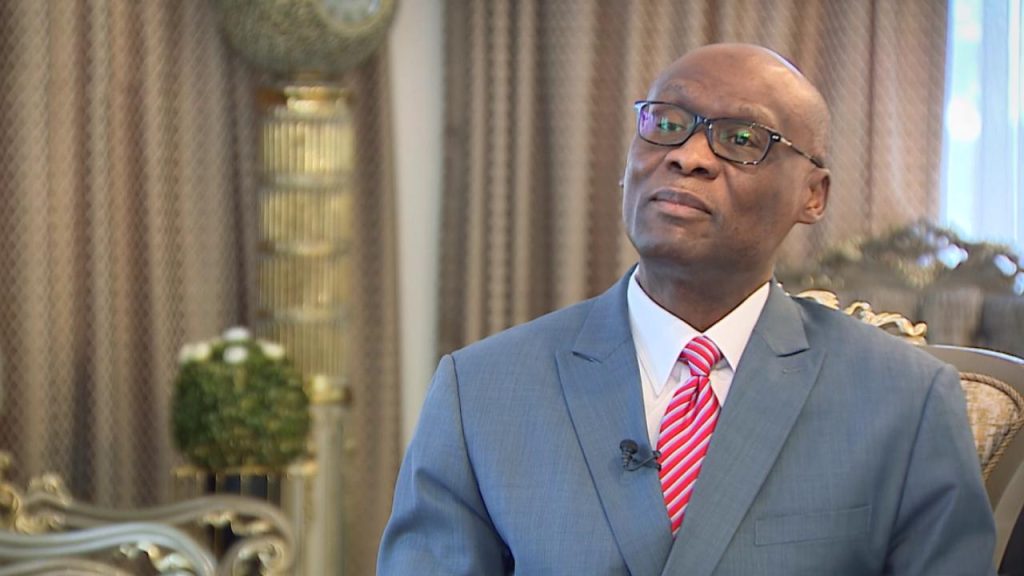
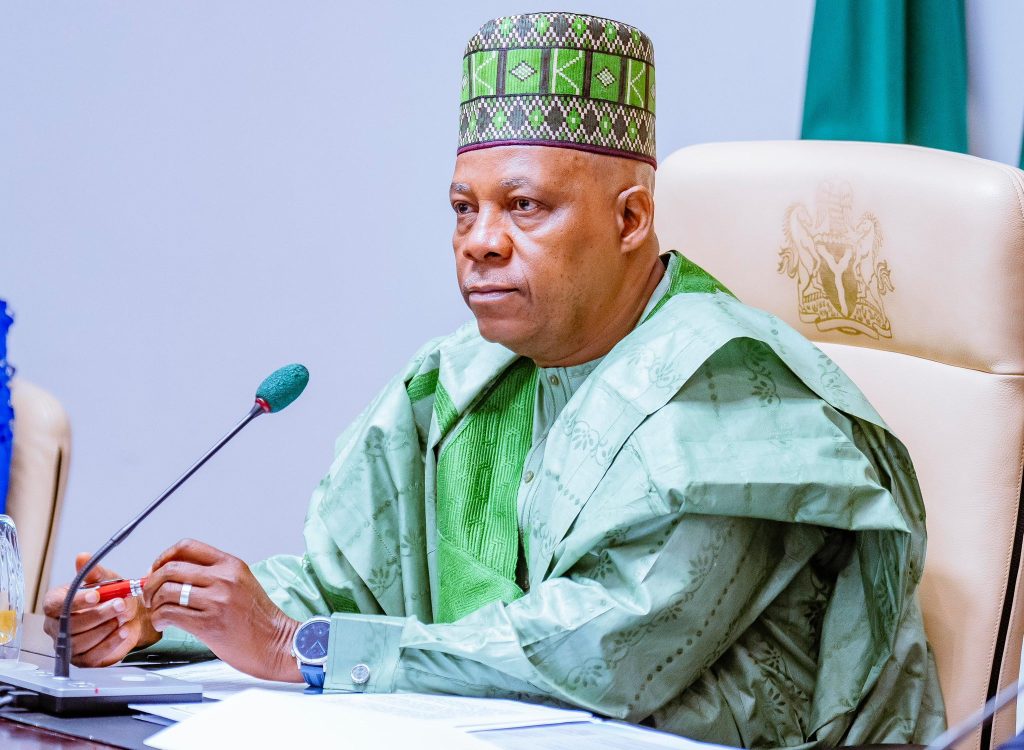
A recent interview on Channels Television’s ‘The Morning Brief’ has shed light on the underlying cause of the rift between Nigeria’s Federal Capital Territory Minister, Nyesom Wike, and Rivers State Governor, Siminalayi Fubara. Human rights lawyer, Inibehe Effiong, attributed the enmity to a struggle for control over the state’s rich resources, particularly petroleum, which is a mainstay of Nigeria’s economy.
According to Effiong, the conflict is not solely about constitutional issues, but rather a manifestation of political tensions and competing interests in the allocation of the state’s resources. The lawyer pointed out that the state is endowed with significant mineral resources, making it a hub of economic activity. The FCT Minister has alleged that approximately N600 billion is at stake, with certain political actors vying for control of these funds.
The dispute between the Rivers State Government and the State Assembly has been ongoing, with the latter’s actions being perceived as a challenge to the governor’s authority. However, Effiong questioned the true motives behind the Assembly’s actions, asking whether their grievances were genuinely centered on issues such as road construction or healthcare for the people of Rivers State.
The situation highlights the complex interplay between politics, economics, and power struggles in Nigeria’s governance landscape. As the country grapples with issues of resource management and distribution, the Rivers State debacle serves as a microcosm of the broader challenges facing the nation. With the FCT Minister and the Governor at loggerheads, the outcome of this conflict will likely have significant implications for the state’s development and the country’s overall economic trajectory.
The allegations of corruption and mismanagement of funds have sparked concerns about transparency and accountability in governance. As the situation unfolds, it remains to be seen how the federal government will address the crisis and ensure that the resources of Rivers State are utilized for the benefit of its people. The conflict has brought to the fore the need for effective governance and the responsible management of natural resources, which are critical to Nigeria’s economic growth and development.