
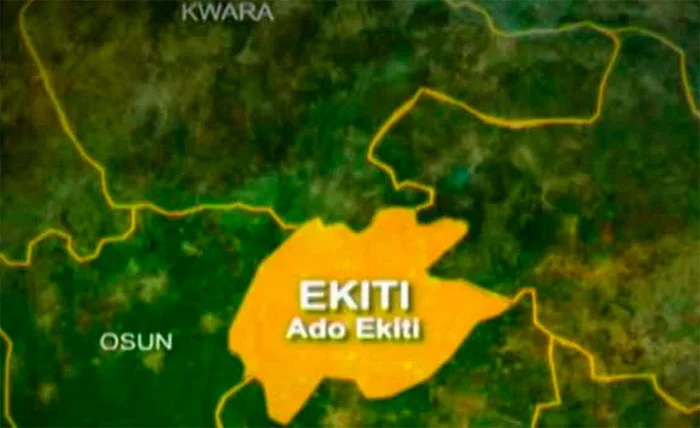
The Ekiti State Government has announced plans to introduce the Measles‑Rubella (MR) vaccine into its immunization program this month. According to State Immunization Officer Mrs. Omolabake Ogundola, the vaccine will be administered to children aged nine months to 14 years to protect them against measles and rubella, both described as deadly and highly contagious diseases.
The MR vaccine rollout is part of a statewide vaccination campaign that will run for 10 days and target 17 % of the state’s population. The campaign aims to achieve a coverage rate of 90 %–95 % among the target group. After the campaign, the vaccine will become part of the routine immunization schedule, with first and second doses given at nine months and 15 months, respectively, replacing the existing standalone measles vaccine.
To ensure effective implementation, all health facilities that offer routine immunization will remain open throughout the campaign. Mobile teams will be deployed to set up temporary vaccination posts in communities, and targeted outreach will focus on rural areas, factory settlements, farm camps, and security‑compromised locations. The media has been identified as a key partner; a media orientation and sensitization meeting was organized to equip journalists with accurate information on the MR vaccine.
The campaign is described as a critical intervention to close immunity gaps against measles and rubella. Measles is a highly contagious viral disease that can cause severe complications—including malnutrition, blindness, encephalitis, and death—especially in children under five. Rubella poses serious risks to pregnant women, potentially leading to congenital rubella syndrome, which can cause hearing loss, heart defects, and visual impairment in infants.
Parents and caregivers are urged to take advantage of the campaign window, as children above the eligible age will no longer have access to the vaccine once it is fully integrated into routine immunization. Stakeholders—including traditional rulers, religious leaders, school authorities, parent‑teacher associations, and educationists—have been engaged and have endorsed the vaccination exercise. The success of the campaign will be assessed using administrative coverage data and post‑campaign surveys.


Comments are closed for this story.