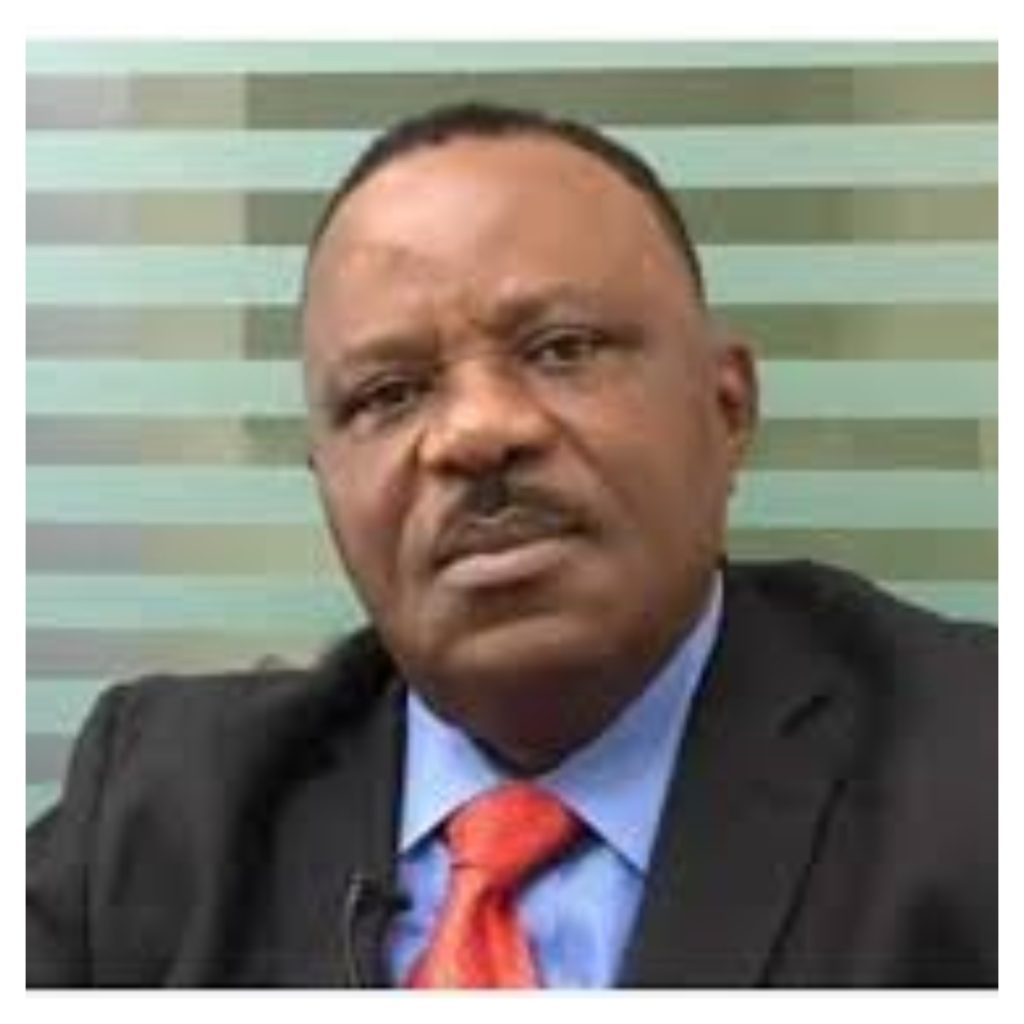
The Nigeria Revenue Service (NRS) has clarified that the new tax laws, which took effect in January 2026, do not grant the government or any institution the authority to debit personal bank accounts. Dr. Zacch Adedeji, Executive Chairman of the NRS, made this clarification on a television program, addressing growing public concerns over the implementation of the new tax regime.
According to Adedeji, the country’s tax authorities are not interested in individual bank account transactions, as personal transfers are not relevant to taxation. He emphasized that transferring money between personal accounts is a private matter, unrelated to tax authorities at any level. The NRS chairman also stated that neither the old nor the new tax laws empower any agency to access personal accounts or instruct banks to debit individuals based on account activity.
Adedeji noted that the new tax law will result in a reduction in tax deductions for lower-salary workers, which will be evident when January salaries are paid. He dismissed widespread claims about the new tax regime as rumors and misinformation, citing the lack of evidence to support these claims.
The NRS chairman rejected calls for the suspension of the new tax laws, stating that such demands are not feasible in a democratic system. Once a law is passed, it becomes enforceable, he said. This comes amid calls from some politicians, including the Labour Party’s 2023 presidential candidate, Peter Obi, who urged the federal government to suspend the implementation of the new tax laws due to alleged flaws and potential burdens on Nigerians.
The clarification from the NRS aims to address public concerns and provide transparency on the new tax laws. As the implementation of the new tax regime continues, the impact on Nigerians, particularly lower-salary workers, will become clearer in the coming weeks. The federal government’s decision to proceed with the new tax laws is expected to have significant effects on the country’s economy and taxation system.