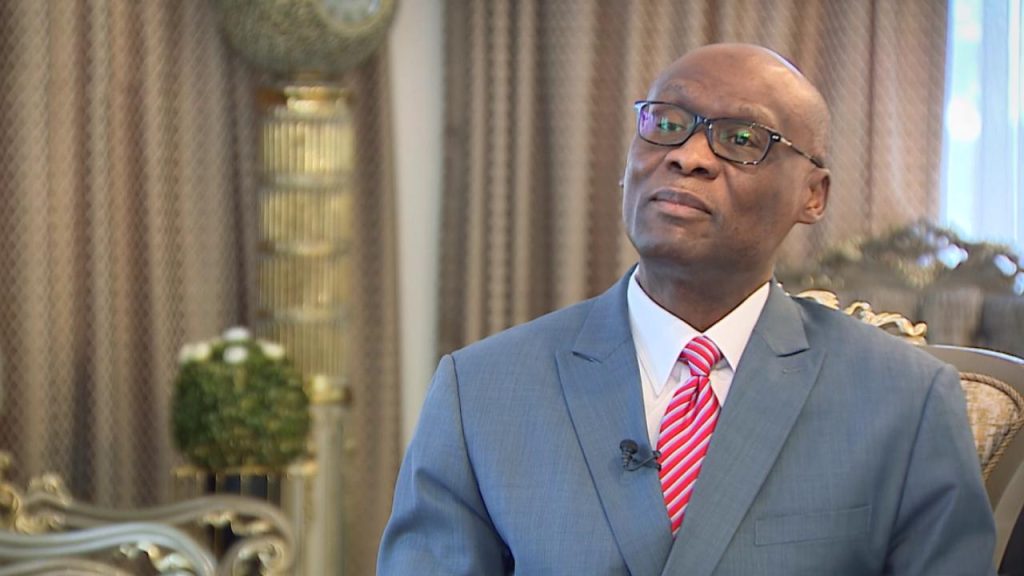
A former vice-presidential candidate of the Labour Party, Datti Baba-Ahmed, has emphasized that defeating President Bola Tinubu in the 2027 general elections will require a proactive and determined approach, rather than relying solely on court action. Baba-Ahmed’s comments were captured in a video shared on social media, where he criticized Nigeria’s electoral and judicial systems. He alleged that the Constitution was breached during the 2023 presidential election, citing this as an example of the need for opposition parties to take a more assertive stance.
Baba-Ahmed expressed his frustration with the outcome of the election, stating that he had advised Peter Obi, the Labour Party’s presidential candidate, that the Supreme Court was unlikely to overturn the result. He drew parallels with the June 12 struggle, highlighting the determination and perseverance of political actors in the past who mobilized Nigerians to challenge perceived injustices over a prolonged period.
The politician’s comments suggest that he believes the current system is skewed in favor of those in power, who are effective at organizing and protecting their interests. To counter this, Baba-Ahmed argued that any opposition seeking to unseat President Tinubu must be prepared to confront the system decisively. He emphasized the need for a strong and visible show of determination, referring to the need to “show red eyes” in order to achieve victory.
Baba-Ahmed’s comments come against a backdrop of ongoing debates about the integrity of Nigeria’s electoral process. The 2023 presidential election was marked by controversy and allegations of irregularities, with some candidates and parties disputing the outcome. As the country looks ahead to the 2027 general elections, opposition parties will need to consider their strategy and approach if they hope to challenge the incumbent president and his party.
The significance of Baba-Ahmed’s comments lies in their emphasis on the need for proactive and determined action from opposition parties. Rather than relying solely on the courts or other external mechanisms, they must be prepared to mobilize their supporters and challenge the system directly. This approach will likely be closely watched in the coming months and years, as Nigeria’s political landscape continues to evolve.