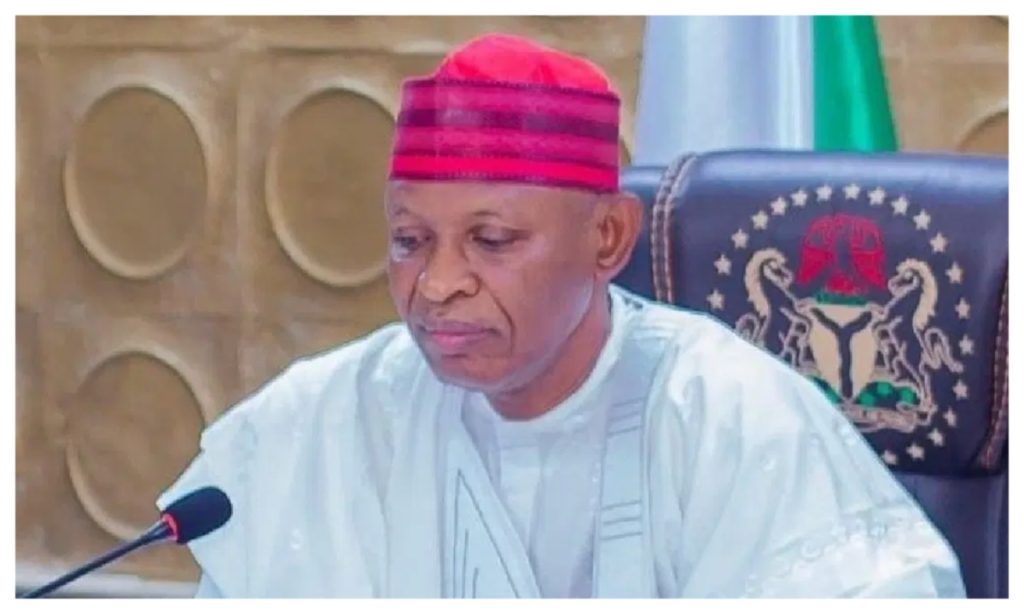
Administrative activities in Kano have come to a halt following a directive by Governor Abba Yusuf to suspend the submission of files from ministries, departments, and agencies to his office. The move, announced by Secretary to the State Government Farouk Ibrahim at the end of a State Executive Council Meeting on December 18, 2025, has raised concerns among government officials and stakeholders.
According to sources, the decision is unprecedented in the history of Kano State, with volumes of untreated files that had accumulated at the Government House since September being returned to the respective ministries, departments, and agencies. An insider, who preferred to remain anonymous, described the situation as a “clear case of government shutdown,” noting that this is the third time the governor has ordered a halt on file submissions.
The development comes as Governor Yusuf is reportedly engaged in political meetings in Kano and Abuja, ahead of his planned defection from the New Nigeria Peoples Party (NNPP) to the All Progressives Congress (APC). The implications of this directive are far-reaching, with potential consequences for the socio-economic well-being of the state.
A senior lawyer in Kano, Sagir Gezawa, emphasized the importance of files in governance, stating that they are a critical organ of administration that facilitate communication and problem-solving. He noted that the governor’s refusal to accept files is detrimental to the state’s development, as it affects the lives and property of its citizens. Gezawa cited examples of files related to land titles, policy implementation, and committee recommendations, which have direct bearings on businesses, investments, and the overall ease of doing business in the state.
As the situation unfolds, concerns are being raised about the potential impact on the state’s administration and the welfare of its citizens. With the governor’s office effectively closed to new files, the fate of pending requests and proposals remains uncertain. The Secretary to the State Government, Farouk Ibrahim, was unavailable for comment at the time of filing this report. The development highlights the need for effective governance and administrative continuity, particularly in a state like Kano, where timely decision-making is crucial for its socio-economic development.