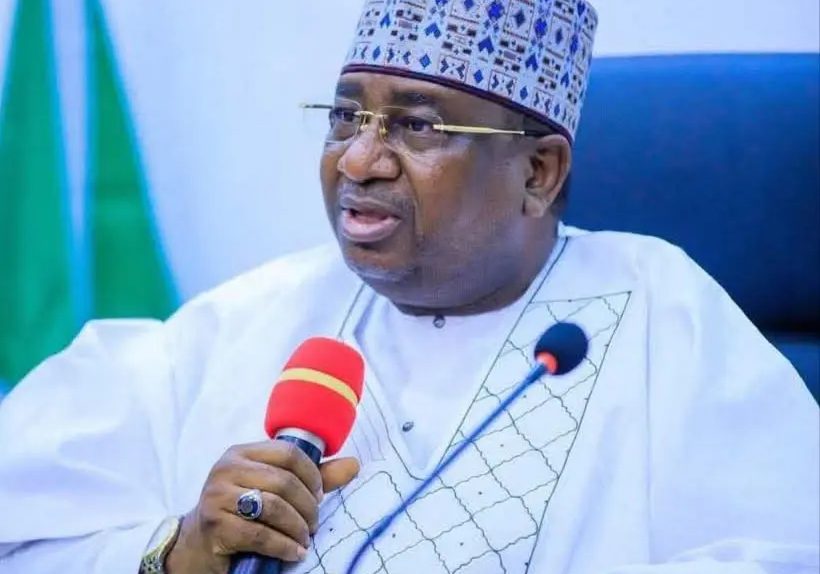
A member of Nigeria’s House of Representatives, Usman Midala Balami, has defected from the Peoples Democratic Party (PDP) to the All Progressives Congress (APC). Balami, who represents the Askira-Uba/Hawul Federal Constituency in Borno State, made the move official after attending an APC stakeholders meeting in Maiduguri on Sunday.
In a resignation letter dated January 24, 2026, addressed to the PDP chairman of Bwalahizhi Ward in Hawul Local Government Area, Balami cited internal party challenges as a key reason for his departure. He stated that the deepening crisis and persistent factional divisions within the PDP had undermined its unity and effectiveness. The lawmaker expressed gratitude to the PDP for the opportunity to serve under its platform, noting that the experience had contributed to his growth and public service.
Balami’s decision to join the APC followed extensive consultations with leaders across political lines, as well as discussions with family and close associates. His move is seen as a significant development in Nigerian politics, particularly in Borno State. The APC is the ruling party in Nigeria, and Balami’s defection may have implications for the political landscape in the country.
As a member of the House of Representatives, Balami’s decision to switch parties may affect the balance of power in the legislative body. The PDP has been facing internal challenges, including factional divisions, which may have contributed to Balami’s decision to leave the party. The APC, on the other hand, has been working to strengthen its position in the country, and Balami’s defection may be seen as a boost to the party’s efforts.
The implications of Balami’s defection are still unclear, but it is likely to have significant consequences for Nigerian politics. The move may lead to further defections from the PDP, potentially altering the balance of power in the House of Representatives. As the political landscape in Nigeria continues to evolve, Balami’s decision to join the APC is likely to be closely watched by politicians and observers alike.