
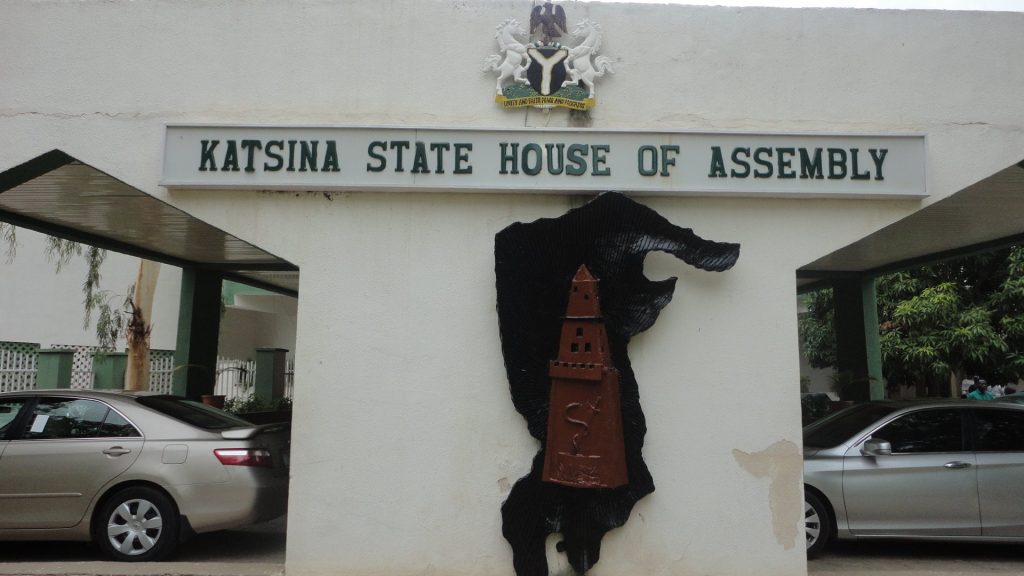
The Katsina State House of Assembly has come to a standstill due to an ongoing strike by the Parliamentary Staff Association of Nigeria, PASAN, which began on November 26, 2025. The strike, which is part of a nationwide action, is a result of the non-implementation of the Consolidated Legislative Salary Structure, CONLESS, by some state governments.
According to Idris Abdulmuminu-Suleiman, the PASAN Chairman of the assembly, the strike was necessitated by the failure of the state government to fulfill its promises regarding the implementation of the salary structure. This is not the first time the parliamentary workers have gone on strike over the issue; a similar strike occurred in October 2023, also citing the non-implementation of the salary structure, financial autonomy, and the non-review of conditions of service.
Since the commencement of the strike, all legislative activities have been halted, with lawmakers barred from entering the assembly premises. Abdulmuminu-Suleiman explained that PASAN members have been stationed at the entrance to prevent any attempts to resume activities. Despite this, the leadership of the assembly and management have been engaged in discussions regarding the issue.
The PASAN chairman revealed that the assembly’s leadership has assured them that their demands have been included in the 2026 budget. However, it remains to be seen whether this will lead to a resolution of the strike. The strike highlights the ongoing challenges faced by parliamentary staff in Nigeria, who have been seeking better working conditions and fair compensation for their work.
The non-implementation of the CONLESS has been a contentious issue in several states, with parliamentary staff arguing that it is essential for their welfare and the effective functioning of the legislative arm of government. As the strike continues, it is likely to have significant implications for the legislative activities of the Katsina State House of Assembly and potentially other state assemblies affected by the strike. The outcome of the negotiations between PASAN and the assembly’s leadership will be closely watched, as it may set a precedent for the resolution of similar disputes in the future.
![Troops, terrorists exchange gunfire in Kogi [VIDEO]](https://mediatalkafrica.com/wp-content/uploads/2026/01/Terrorists-Exchange-Gunfire-With-Nigerian-Troops-In-Kogi-State-768x576.jpeg)

Comments are closed for this story.