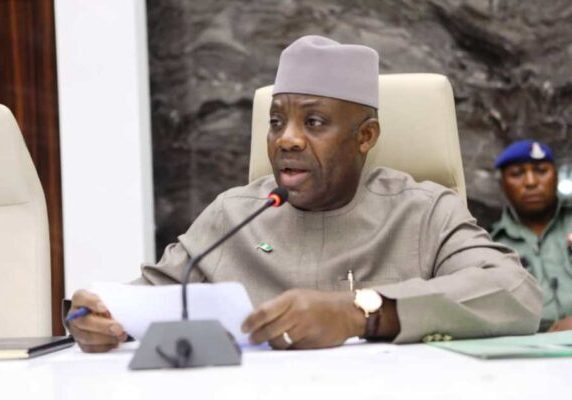
The unauthorized release of Liberian President Joseph Nyuma Boakai’s 2026 State of the Nation Address has sparked intense debate, raising concerns about government protocol, institutional discipline, media ethics, and national security. The Minister of Information, Jerolinmek M. Piah, has condemned the incident as “unethical, unprofessional, and dangerous,” and announced a full investigation to identify the source of the leak.
The leak, which occurred about 20 minutes before the President concluded his address, has been described as a serious breach of trust within the public service. Minister Piah emphasized that public officials are expected to uphold the highest ethical standards and warned that anyone found responsible would be held accountable. The investigation is focused on identifying the internal source of the leak and tightening controls to prevent recurrence.
The controversy has highlighted the tension between modern media practices and traditional government communication culture in Liberia. While the government insists on discipline and process, media advocates argue for realism in a fast-paced information age. Some experts note that leaks of this nature almost always originate within official circles, not newsrooms, and that draft speeches typically circulate among presidential advisers, speechwriters, protocol officers, and security and communications staff.
The government’s strong stance has been met with pushback from sections of Liberia’s media and civil society, with some arguing that access to presidential speeches before delivery is not inherently unethical. Media development expert and press freedom advocate Samuka V. Konneh questioned the basis of the outrage, pointing out that many governments around the world deliberately share advance copies or excerpts of presidential speeches with journalists to stimulate informed debate and ensure accurate reporting.
The incident has also raised questions about the role of embargoes in controlling the release of sensitive information. Globally, it is standard practice for presidential communications teams to share advance copies of major speeches with trusted journalists under strict embargo agreements. However, if no embargo is clearly communicated, the ethical responsibility becomes less clear-cut, shifting attention back to the source of the leak rather than the act of publication.
The Liberian government’s investigation into the leak is ongoing, and the outcome is likely to have significant implications for the country’s media landscape and government communication culture. As the debate continues, it remains to be seen how the government will balance the need for discipline and process with the demands of a fast-paced information age.