Global markets experienced significant fluctuations on Thursday as gold prices reached a new record high above $5,500, while oil prices increased and stocks declined. The surge in gold was largely driven by heightened geopolitical tensions following US President Donald Trump’s threat of a military strike against Iran. The precious metal’s price soared by over $300 at one point, reaching $5,588.71, as investors sought safe-haven assets.
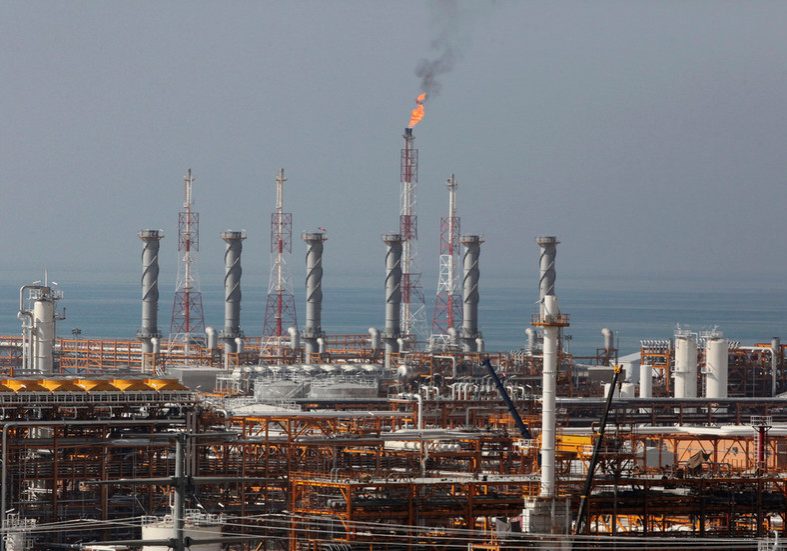
The US president’s comments on Iran’s nuclear program and his warning that “time is running out” for a deal contributed to the market volatility. Trump also announced that a US naval strike group, led by the aircraft carrier USS Abraham Lincoln, is ready to fulfill its mission in the Middle East if necessary. In response, Iran’s foreign minister, Abbas Araghchi, warned that the country’s forces would respond immediately and forcefully to any US military operation.
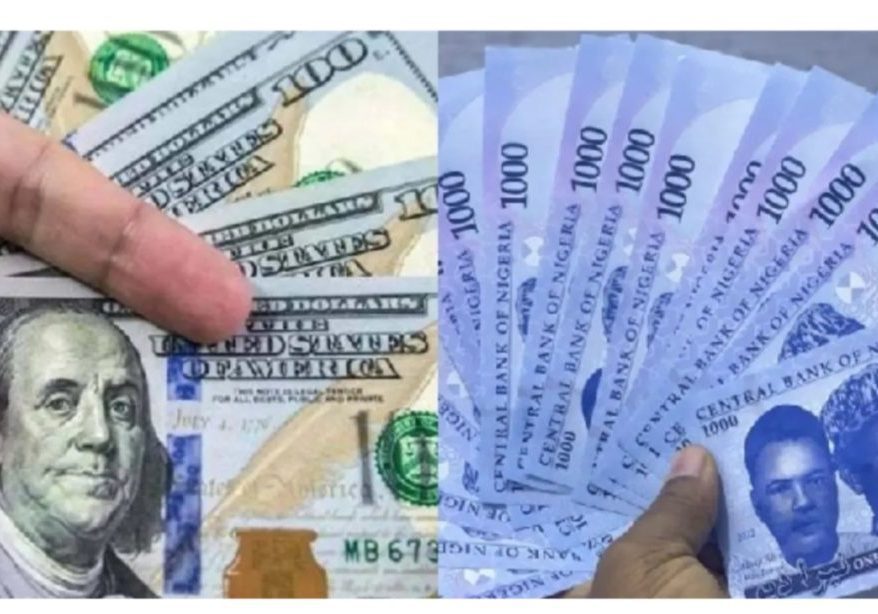
The rising tensions had a ripple effect on other markets, with oil prices increasing to their highest levels since September and August for WTI and Brent crude, respectively. The dollar, on the other hand, remained under pressure against its peers, despite Treasury Secretary Bessent’s statement that the US has a strong dollar policy.
The Federal Reserve’s latest policy meeting yielded few surprises, with Chairman Jerome Powell stating that officials are monitoring data. However, attention is now focused on Trump’s upcoming announcement of the new Fed chair, with expectations of a more dovish successor to Powell.
The market fluctuations were reflected in global stock markets, with Tokyo, Hong Kong, Shanghai, Sydney, and Seoul leading the losses. The dollar’s weakness was also evident in its exchange rates against the yen, euro, and pound.
In the commodities market, silver also reached a new peak, while gold continued to trade at record highs. According to Stephen Innes, the surge in gold indicates deeper structural concerns and a lack of trust in policy coherence. “Gold is the inverse of confidence,” he stated. “When belief in policy coherence weakens, gold ceases to behave like a hedge and instead acts as an alternative.”
As the situation continues to unfold, investors are closely watching the developments in the Middle East and the potential implications for the global economy. The US-Iran tensions have created a sense of uncertainty, leading to increased demand for safe-haven assets like gold and silver. The markets are expected to remain volatile in the coming days, with investors awaiting further updates on the geopolitical situation and the potential impact on the global economy.