The Nigerian government will end its sole funding of electricity subsidies from 2026, shifting to a cost-sharing model among federal, state, and local tiers. The change, directed by President Bola Tinubu, aims to resolve hidden liabilities and recurring crises in the power sector by making subsidy obligations explicit and enforceable across all levels of government.
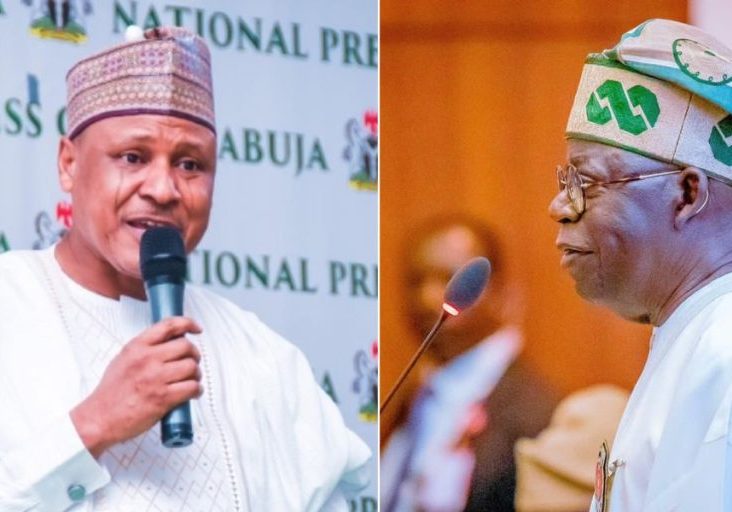
Tanimu Yakubu, Director-General of the Budget Office of the Federation, announced the policy during a workshop in Abuja on the 2026 budget preparation process. He explained that holding tariffs below cost creates a subsidy gap, which constitutes a financial bill. “From 2026, we will stop pretending that this bill can be left to the Federal Government alone, especially where the policy choice or political benefit is shared across tiers,” Yakubu stated.
The President has mandated full application of existing electricity laws to ensure transparency and enforceability in subsidy distribution. Each tier of government must now clearly identify, fund, and monitor its share to prevent arrears and liquidity shortfalls. Yakubu stressed the reform aligns incentives rather than punishes, stating, “When everyone carries a fair share of the cost, everyone also has an incentive to support cost-reflective efficiency, targeted protection for the vulnerable, and a power market that can actually deliver.”
Ministries, departments, and agencies (MDAs) are instructed to reflect these obligations in their 2026 budget submissions and avoid passing unfunded liabilities to the electricity value chain.
The 2026 Budget will also introduce a “single-train” framework, consolidating fragmented project lists into one coherent implementation pipeline. This shift away from rollover budgeting aims to improve prioritisation, control, and accountability. “One plan. One pipeline. One execution logic,” Yakubu said, noting that fewer, well-funded, delivery-ready projects will yield greater impact.
Additionally, President Tinubu has ordered a review of Nigeria’s Fiscal Responsibility framework to make fiscal rules more dynamic and enforceable. The review will introduce clearer fiscal anchors, credible return-to-compliance pathways, and stronger reporting on contingent liabilities. Proposals will be evaluated not just on spending requests, but on alignment with fiscal sustainability and measurable results.
The Government Integrated Financial Management Information System (GIFMIS) Budget Preparation Sub-System is central to these reforms, described as “the operating system for credible budgeting” to enhance traceability from submission to execution.
These changes are framed as part of the broader “Renewed Hope Agenda,” with Yakubu emphasizing that credible budgeting and disciplined delivery are essential to meeting public expectations. The success of the reforms depends on coordinated adherence across all MDAs to ensure the 2026 Budget translates into tangible outcomes.