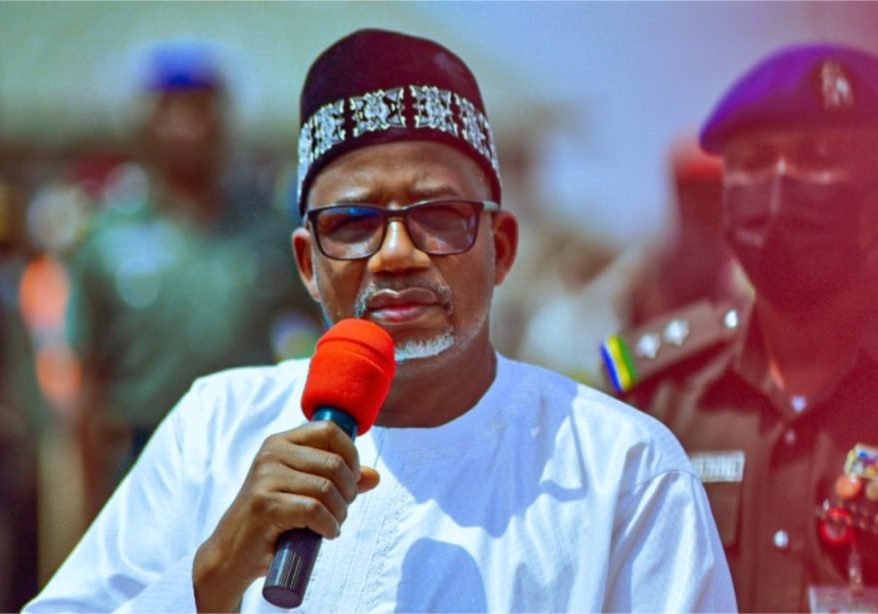
The opposition African Democratic Congress (ADC) has accused Nigeria’s ruling All Progressives Congress (APC) of overseeing a period of unprecedented economic hardship for ordinary citizens.
David Mark, National Chairman of the ADC, made the assertion on Monday during the inauguration of the party’s policy and manifesto committee in Abuja. He stated that current levels of poverty and suffering under the APC-led federal government are worse than experienced under any previous administration.
Mark directly linked the nation’s dire socioeconomic conditions to the policies implemented by the APC, which took power in 2015. “Nigerians are suffering today perhaps more than any other time in our history,” he said in his address. “Poverty stares us in the face. Yes, poverty and hardship have always existed but the hardship and poverty that Nigerians are experiencing under the APC administration has gotten worse.”
He argued that this pervasive struggle has created a public demand for a credible political alternative. According to Mark, Nigerians are “desperately looking for credible alternative ideas, actions and policies that would improve their lives today and lay a solid foundation on which they can improve their future.” The newly inaugurated committee, he indicated, is tasked with developing such alternative proposals for the ADC.
The ADC’s criticism centers on persistent economic challenges including high inflation, a weakening currency, and widespread unemployment, issues that have defined much of the APC’s tenure. While the government has frequently cited global economic shocks, including the COVID-19 pandemic and fluctuations in oil prices, as major contributing factors, opposition parties maintain that domestic policy missteps have exacerbated the crisis.
Mark’s statements position the ADC as a challenger offering substantive policy solutions ahead of the 2027 general election. The party’s focus on a new manifesto suggests an effort to differentiate itself from both the incumbent APC and the main opposition People’s Democratic Party (PDP), of which Mark was formerly a prominent member.
The remarks highlight the deepening political and economic tensions in Nigeria, Africa’s most populous nation. With a significant portion of the population living below the poverty line, the quality of governance and economic management remains a central electoral issue. The ADC’s attempt to frame itself as the source of a necessary policy reset underscores the high stakes of Nigeria’s democratic contestation, where voter sentiment is increasingly shaped by tangible daily economic realities.