The Emir of Kano, Muhammadu Sanusi II, has asserted that traditional rulers possess an inherent authority to counsel Nigeria’s highest political leaders, a role he described as independent of constitutional provisions.
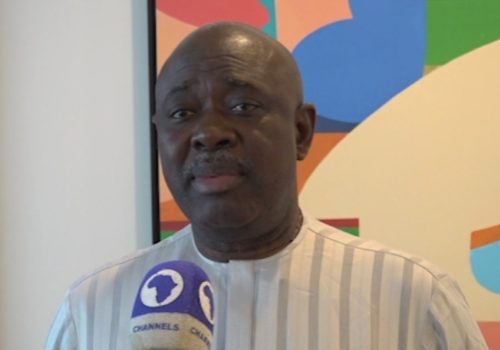
Speaking on Channels Television’s ‘The Morning Brief’ programme, the Emir, a former governor of the Central Bank of Nigeria (CBN), emphasized the critical function of traditional institutions in national development. He stated that his position as a leader of the people grants him the legitimacy to offer advice to the president and state governors on matters of national concern.
“Do I need the Constitution to tell me that if I think there is something the country needs, I should go to the President and say, ‘Mr President, I think this is wrong?’” Sanusi remarked. “I don’t need the Constitution. I get that authority from being a leader of the people.”
His comments highlight an ongoing discourse regarding the place of Nigeria’s centuries-old traditional authorities within the nation’s modern democratic framework. While the 1999 Constitution does not explicitly assign advisory roles to traditional rulers, their influence as custodians of culture and community sentiment often informs policy debates at various government levels.
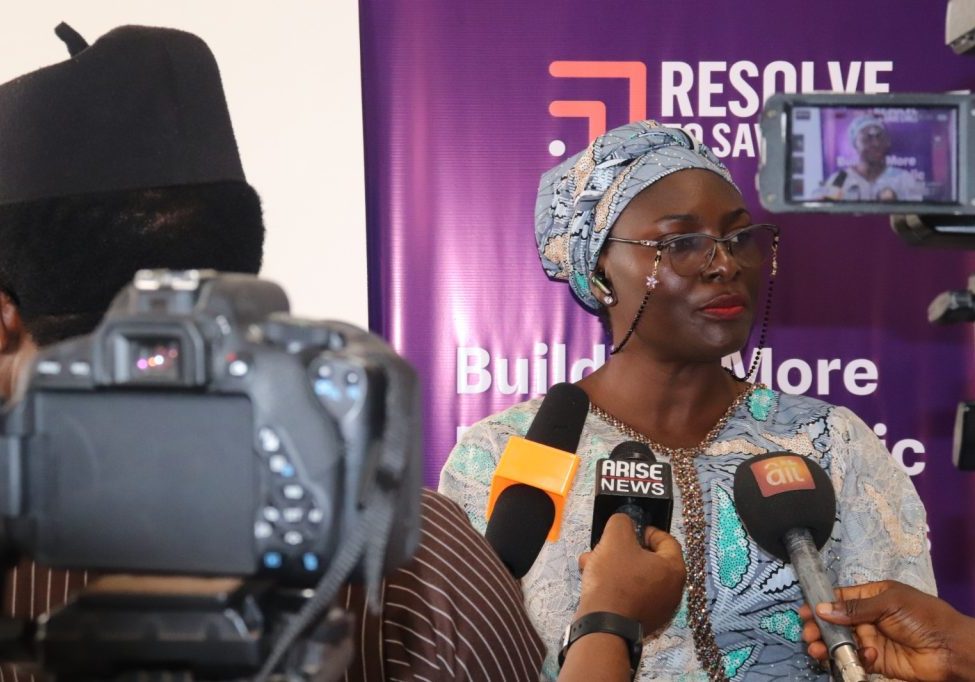
Sanusi, a prominent and sometimes vocal traditional figure, further called for greater inclusion of women in Nigeria’s political processes. He stressed that women’s active participation is essential for comprehensive nation-building and improved governance, advocating for increased representation of women in elected offices.
The Emir’s perspective underscores a view that governance extends beyond formal constitutional structures to incorporate established societal hierarchies. His stance suggests a advocacy model where traditional leaders actively shape national discourse based on their perceived mandate from the public, positioning themselves as bridges between the governed and the government.
This emphasis on inclusive political participation and the informal consultative role of traditional institutions points to a broader conversation about integrating diverse voices—both institutional and demographic—into Nigeria’s governance ecosystem to address complex socio-economic challenges.