A leading member of Nigeria’s main opposition party has strongly criticised the Senate’s recent decision to remove a provision for mandatory electronic transmission of election results from the country’s Electoral Act, warning that the move risks undermining the integrity of the 2027 general election.
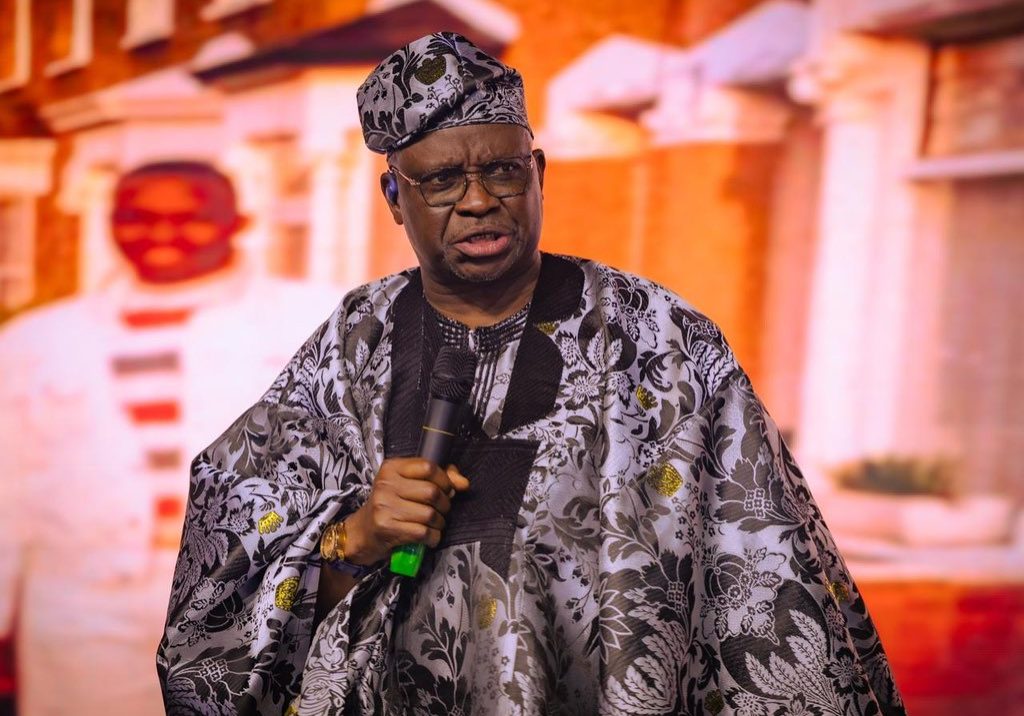
Ambassador Olufemi Ajadi Oguntoyinbo, a Peoples Democratic Party (PDP) gubernatorial aspirant in Oyo State and a former diplomat, issued a statement from Ibadan on Friday describing the Senate’s action as a deliberate attempt to create loopholes for electoral manipulation. His comments follow the Senate’s rejection days earlier of a clause that would have compelled the Independent National Electoral Commission (INEC) to electronically transmit results directly from polling units.
Oguntoyinbo argued that the Senate’s reversal introduces dangerous ambiguity into the electoral framework. He insisted that the electronic transmission of results must be a compulsory, non-negotiable procedure to prevent a return to historical malpractices such as ballot box snatching and result manipulation. He characterised the decision as a regressive step that “sends a wrong signal and is moving Nigeria completely back into the stone ages.”
The PDP chieftain expressed that the general Nigerian public is uncomfortable with the development, tasking the Senate President to reconsider the amendment. He stressed that the credibility of future elections hinges on a clear, unambiguous legal mandate for INEC to deploy technology for instantaneous result transmission, thereby ensuring that outcomes reflect the genuine will of voters.
This dispute highlights the contentious nature of electoral reforms in Nigeria. Proponents of electronic transmission view it as a critical tool for enhancing transparency, reducing human interference, and boosting public confidence in the electoral process. The Senate’s stance, however, has drawn criticism from civil society and opposition figures who fear it will embolden efforts to subvert the 2027 polls.
The final version of the Electoral Act now moves to a conference committee for harmonisation with the House of Representatives. Observers note that the outcome of this reconciliation will be a key indicator of Nigeria’s commitment to conducting free, fair, and credible elections in the next electoral cycle. The controversy underscores the high stakes surrounding the legal framework that will govern the 2027 general election.