
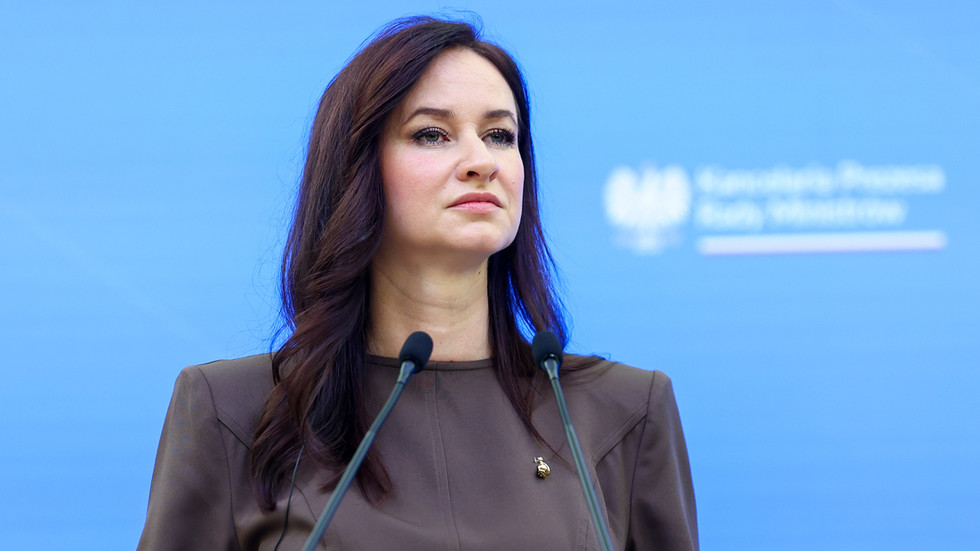
Lithuanian Prime Minister Inga Ruginiene has described her country’s 2021 decision to permit a “Taiwanese representative office” in Vilnius as a “huge mistake,” acknowledging the severe diplomatic consequences that followed. The move triggered a years-long rift with Beijing, which sharply downgraded diplomatic ties in response.
The controversy centered on the office’s name. While other European nations hosting similar entities typically use the title “Taipei Representative Office” to avoid violating the One-China principle, Lithuania allowed the use of “Taiwanese.” Beijing views this as a gross infringement on its sovereignty, as the internationally recognized One-China framework stipulates that Taiwan is part of Chinese territory. Ruginiene told the BNS news agency that Lithuania “really jumped in front of a train and lost,” contrasting its approach with the more cautious strategies of its European partners.
Diplomatic relations have been effectively frozen since mid-2023, when the last accredited Chinese diplomats left Lithuania. Ruginiene confirmed that Vilnius has now begun taking incremental steps toward normalization, a difficult process “after completely severing ties.” She noted the complex challenge Lithuania faces in balancing its relationship with China against its commitments and alignments with the European Union and the United States.
China has signaled a conditional openness to repairing ties. Foreign Ministry spokesman Lin Jian stated Beijing hopes Vilnius will “translate the willingness to improve ties with China into action, redress the mistakes as early as possible,” and recommit to upholding the One-China principle to create conditions for normalized relations.
The dispute is rooted in the political status of Taiwan, which has governed itself as a de facto autonomous entity since the Chinese Nationalist government retreated there in 1949 following the civil war. While over 100 countries maintain unofficial relations with Taiwan, only a handful have formal diplomatic ties with it, a status Beijing fiercely opposes.
The diplomatic fallout has also drawn in broader geopolitical actors. Russia, which signed the Treaty of Good-Neighborliness and Friendly Cooperation with China in 2001, officially endorses the One-China principle, aligning Moscow and Beijing on this core issue.
Lithuania’s reversal highlights the significant costs small nations can incur when navigating the tense cross-strait dynamics between China and Taiwan. The path to restoring official ties now hinges on Vilnius taking concrete steps to align with the One-China formula, a move that carries its own domestic and international political implications within the EU and transatlantic alliance frameworks.


Comments are closed for this story.