
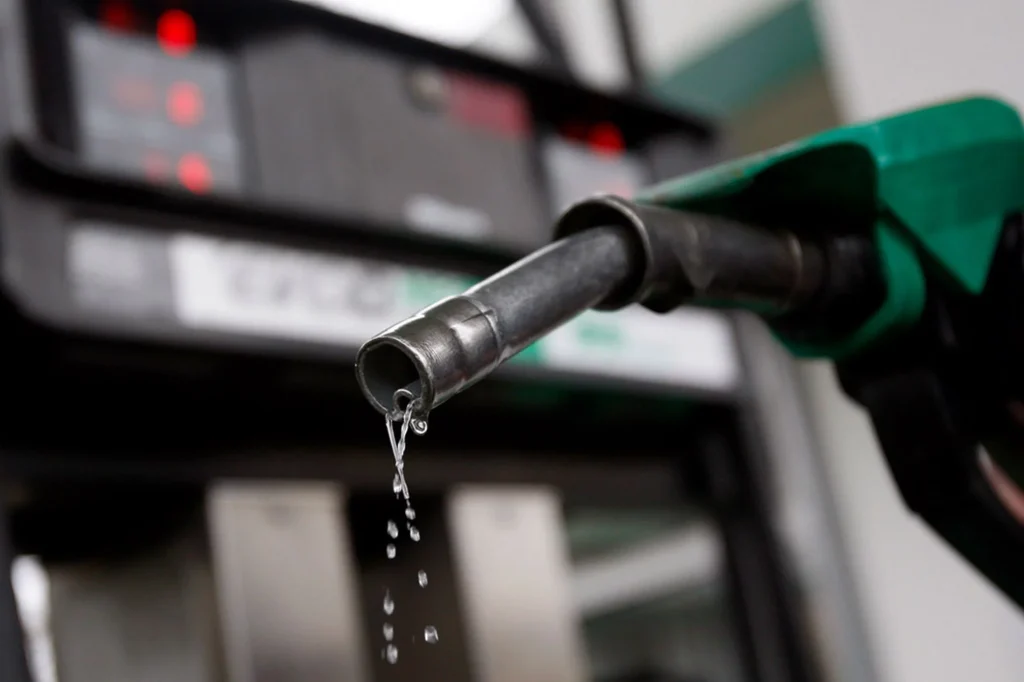
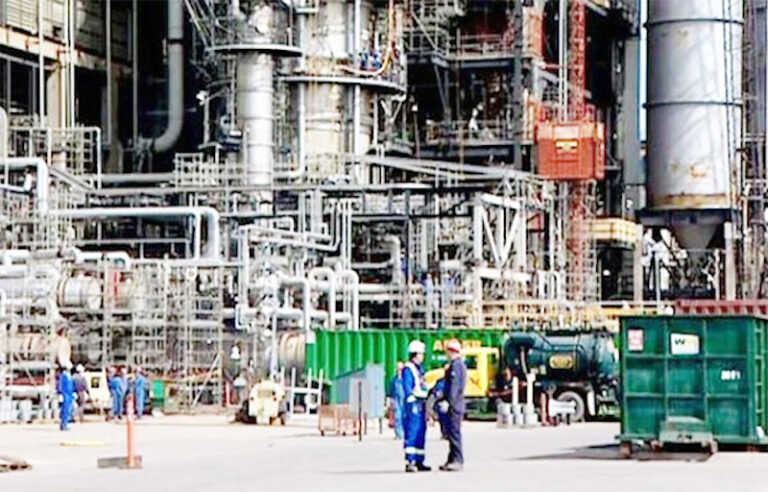
Nigerian petroleum marketers indicate a potential nationwide reduction in fuel prices, following a shift where imported petrol has become cheaper than the Dangote refinery’s gantry price, altering market dynamics.
Abubakar Maigandi, president of the Independent Petroleum Marketers Association of Nigeria (IPMAN), disclosed the development in an interview with Media Talk Africa. Data from the Major Energies Marketers Association of Nigeria shows imported petrol averages N77 per liter less than Dangote Refinery’s gantry price of N799 per liter. This parity emerges after Dangote Refinery urged marketers to boycott coastal petrol, which it claims costs N75 more, intensifying supply chain considerations.
Current retail prices vary: in Abuja, pump prices range from N839 to N905 per liter, while some Lagos stations have reduced rates to as low as N817 per liter, below the N839 at Dangote-backed MRS outlets. This localized decline suggests a possible broader trend.
Maigandi noted that approximately 80% of IPMAN members source petrol directly from Dangote, with logistics costs driving regional price differences. “Like in Lagos, they sell at N820 and N825; in Abuja, at N875 and N870 per liter,” he said. Bulk discounts apply—purchases over 2 million liters receive a N20 per liter reduction, and those over 5 million liters get a N25 discount off the N799 base price.
He attributed price variations to Nigeria’s single-refinery status, stating that increased competition from future refinements and imports will further lower prices. While commending Dangote’s contribution, Maigandi emphasized that market forces are key to sustained reductions.
The context includes Dangote Refinery’s January price hike from N699 to N799 per liter, which lifted retail rates nationwide. Despite Aliko Dangote’s December pledge to reduce prices to N739 per liter, most filling stations have not achieved that benchmark.
Globally, crude oil prices provide backdrop: West Texas Intermediate trades at $64.36 per barrel, and Brent Crude at $69.15 per barrel, influencing import costs.
The emerging price gap between imported and locally refined petrol could pressure retail prices downward, offering consumer relief. Marketers’ responses and evolving competition will determine the scale and duration of any adjustments in the coming days.
Comments are closed for this story.