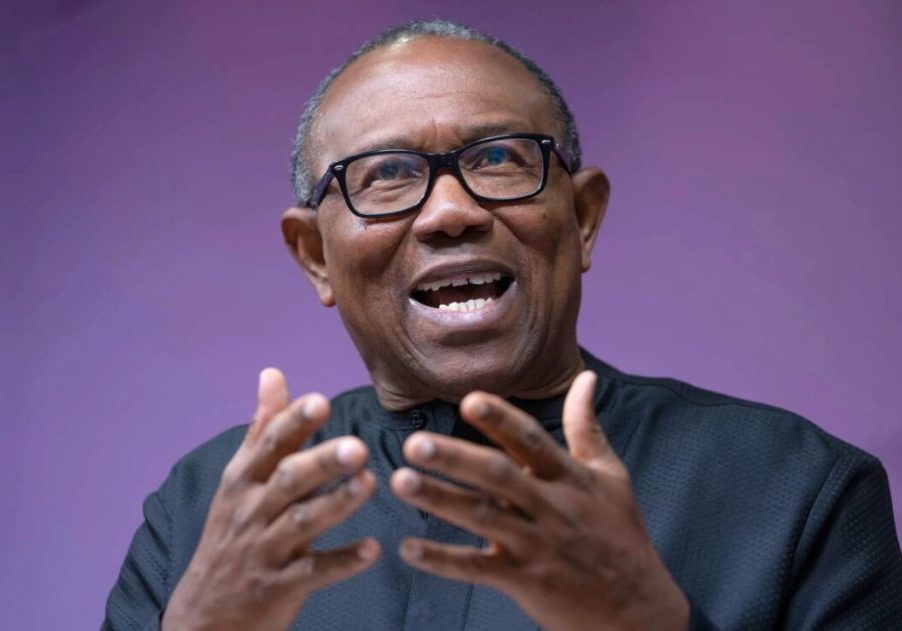
A prominent Islamic scholar and political activist, Dr. Usman Bugaje, has accused Nigeria’s Senate leadership of repeatedly undermining democratic processes through deception and poor legislative conduct. His critique centres on the Senate’s reported resistance to a proposed amendment of the Electoral Act, which aims to mandate the real-time electronic transmission of election results.
The call for amendment follows a recent Supreme Court ruling that clarified legal ambiguities around electronic transmission. Bugaje, speaking on Arise Television, argued the ruling necessitates a legislative fix to ensure transparency and prevent electoral disputes. He stated that the Independent National Electoral Commission (INEC) has already recommended mandatory real-time transmission, a position adopted by the House of Representatives.
Bugaje directly accused the Senate, led by President Godswill Akpabio, of obstructing this consensus. He extended his criticism to past legislative actions, alleging irregularities in tax legislation and budgetary processes that created confusion with multiple budgets, hampering economic planning. “The Senate leadership is now the biggest problem of this country,” Bugaje said, questioning its effectiveness and calling for greater scrutiny.
This public accusation highlights a significant legislative rift. Proponents of electronic transmission argue it is essential for credible elections, allowing immediate public verification of results. The Senate’s opposition, however, has previously centred on concerns about infrastructure reliability and potential security breaches.
Nigeria’s electoral history is marked by controversies over result collation and transmission. The 2022 Electoral Act initially introduced electronic transmission but was later interpreted by INEC as discretionary, not mandatory, leading to inconsistencies in recent elections. The current push seeks to cement the process in law following judicial interpretation.
The standoff underscores a broader tension between legislative chambers and the executive electoral body. With the 2027 general elections approaching, the resolution of this amendment is critical for electoral reforms. The Senate’s final position on the bill, which has passed the House, will test its willingness to align with INEC’s advice and public demands for a more transparent voting system. The outcome is likely to influence national confidence in the electoral timeline and the country’s democratic trajectory.