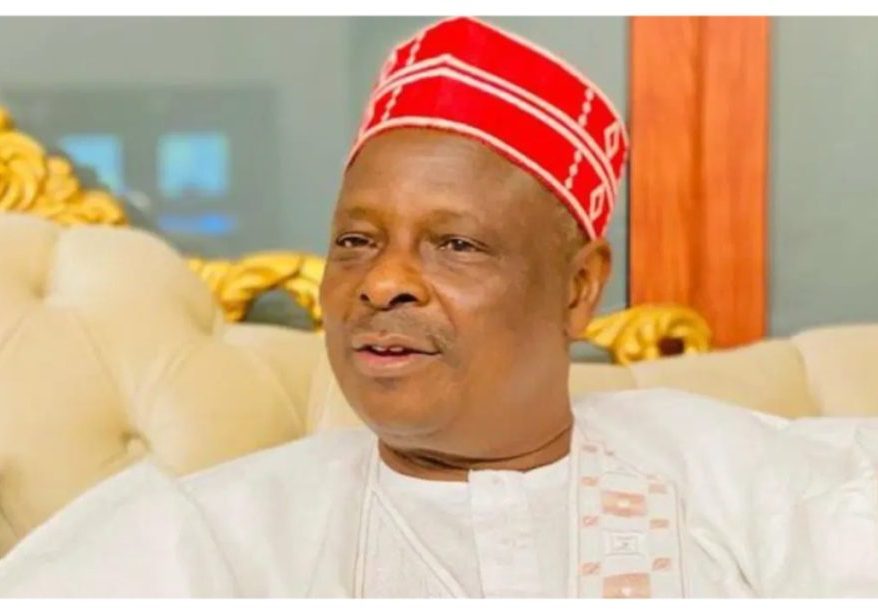
Nigerian entertainer and activist Charles Oputa, widely known as Charly Boy, has launched a sharp critique against Christian religious leaders in Nigeria, alleging that the vast majority prioritize financial gain over moral leadership.
During an appearance on the recent episode of the KAA Truths podcast, the musician and self-styled “Area Fada” accused a significant number of pastors of remaining silent on the country’s pressing economic and security crises. He further alleged collaboration between some clerics and corrupt political figures to exploit ordinary Nigerians.
Charly Boy claimed that for most Nigerian pastors, operating a church is primarily a commercial enterprise. “All the pastors I know of in Nigeria, 99 per cent of them are useless. It is just a business that they are running,” he stated in the interview.
He distinguished his own perspective from what he described as the mainstream Nigerian mindset. “I may live in Nigeria but Nigeria does not live in me. I don’t believe like you. I don’t want to think like you people,” he added, framing his criticism as stemming from an independent, critical worldview.
Charly Boy’s comments tap into a recurring public debate in Nigeria regarding the role of wealthy religious institutions and leaders in a nation with one of the world’s largest Christian populations. Critics have long pointed to the prosperity gospel and the immense financial influence of some churches as areas of concern, particularly in a context of widespread poverty and governmental dysfunction. His description of a near-total failure among clerics to “speak truth to power” resonates with frustrations over a perceived lack of prophetic voice from influential faith leaders on issues like corruption, insecurity, and economic mismanagement.
The remarks from the provocative cultural figure are likely to amplify discussions on the accountability of religious institutions. While his use of the term “99 per cent” is a hyperbolic generalization, it underscores a deep-seated public skepticism regarding the motives of some prominent religious figures. The interview highlights the tension between Nigeria’s devoutly religious society and ongoing criticisms of how religious authority is exercised in the public square. The significance of such a public figure making these allegations lies in its potential to further challenge religious leaders to clarify their societal role beyond economic enterprise.

!['I don't feel like I'm married' - Foluke Daramola [VIDEO]](/wp-content/uploads/bb-plugin/cache/xNollywoods-Foluke-Daramola-Feels-Unmarried-in-Polygamy-1024x578-landscape-cd794410e2e89922e859af67cb97e90f-.jpg.pagespeed.ic.hleJwcWqKN.jpg "nollywood's foluke daramola feels unmarried in polygamy")