Kogi State Government has threatened sanctions against churches violating security protocols, following intelligence reports of planned attacks by armed groups. The directive, issued by State Commissioner for Information and Communications Kingsley Fanwo, prohibits night services beyond 4:00 pm and operations in vulnerable locations without prior security clearance.
The warning comes after credible intelligence indicated a plot to attack a church in Ijumu Local Government Area. Commissioner Fanwo stated that despite previous advisories, some religious institutions continue to hold late-night services, creating unacceptable risks amid ongoing security challenges in the region. “Churches flouting the protocol pose a security risk. Security operatives will stop night services, focusing on prevention over emergency response,” he said. He emphasised that the measures prioritise public safety over religious practice and urged religious leaders to cooperate fully with security agencies.
Kogi, a state in north-central Nigeria, has faced recurring threats from bandit groups and armed criminals, particularly in its porous border regions. Houses of worship have previously been targeted in similar attacks across Nigeria’s northwestern and north-central zones, prompting state authorities to impose curfews and security guidelines for religious centres. The commissioner assured residents of the government’s commitment to maintaining peace and urged compliance to prevent casualties.
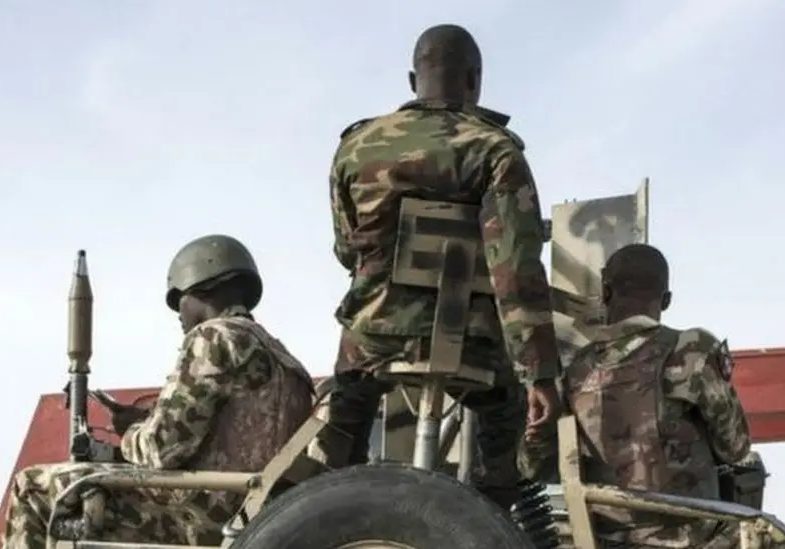
In a related security development, Fanwo reported a successful military operation against a terrorist enclave in the state. Troops from the Nigerian Army’s 12 Brigade, led by Brigadier General Kasim Sidi, overran the camp linked to criminal kingpins Kachalla Ibrahim and Shu’aibu. The raid resulted in the recovery of over 2,000 rounds of 7.62 x 54mm ammunition and a box of high-velocity grenades. The camp was completely destroyed, dealing a significant blow to the operational capacity of the criminal network and denying them a staging ground for future attacks.
The dual announcements underscore state authorities’ shift toward proactive security management in Kogi. While the military operation aims to dismantle armed hideouts, the directive to churches reflects an effort to mitigate soft-target vulnerabilities. Both actions align with broader regional strategies to pre-empt violence rather than respond to incidents after they occur. Residents and religious organisations are expected to adhere strictly to the outlined protocols as security agencies maintain heightened vigilance across the state.