Activist Alleges National Assembly Undermined Electoral Reforms Through Manual Transmission Clause
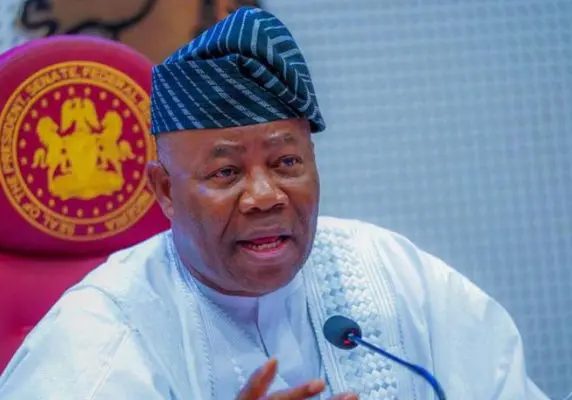
Abuja-based activist Deji Adeyanju has accused Senate President Godswill Akpabio and the National Assembly (NASS) of undermining Nigeria’s electoral reforms by including provisions for the manual transmission of election results in recent legislation.
Adeyanju’s criticism focuses on the concluded legislative process that amended the Electoral Act. He alleges that the retention of manual transmission as an option reverses key gains made to enhance electoral transparency. His remarks followed the end of the “Occupy National Assembly” protest, which aimed to pressure lawmakers to discard the clause.
In a series of posts on the social media platform X, Adeyanju expressed deep concern. He stated that if manual transmission remains a permitted method under the Electoral Act, the legislative body would have effectively undone previous reform efforts. “All the electoral reform gains reversed just like that,” he wrote, suggesting the move compromises public confidence in the electoral system.
The activist’s stance highlights a contentious debate over the 2022 Electoral Act amendments. Proponents of automated transmission argue it reduces human interference and speeds up result collation. Critics contend that manual transmission creates opportunities for manipulation and delays, potentially fueling post-election disputes.
The current controversy centers on the interpretation of the law, which some civil society groups say allows results to be transmitted manually if technological systems fail. They argue this loophole weakens the reforms aimed at ensuring real-time, verifiable result declaration, a cornerstone of improving Nigeria’s electoral integrity since the 2010 reforms.
With general elections scheduled for 2025, the method of result transmission remains a critical issue for voter trust. Adeyanju’s allegations reflect ongoing apprehension among election observers and reform advocates about the robustness of Nigeria’s electoral processes. The Independent National Electoral Commission (INEC) is expected to provide guidelines on result collation and transmission, a move that will be closely watched for adherence to the spirit of electoral reform.

![Celine Dion announces comeback concerts amid battle with incurable disease [VIDEO]](/wp-content/uploads/bb-plugin/cache/xCeline-Dion-Announces-Stage-Return-After-Illness-Battle-landscape-f416878a66473499d49a06ea79193bda-.jpg.pagespeed.ic.Al91ug-vEA.jpg "celine dion announces stage return after illness battle")