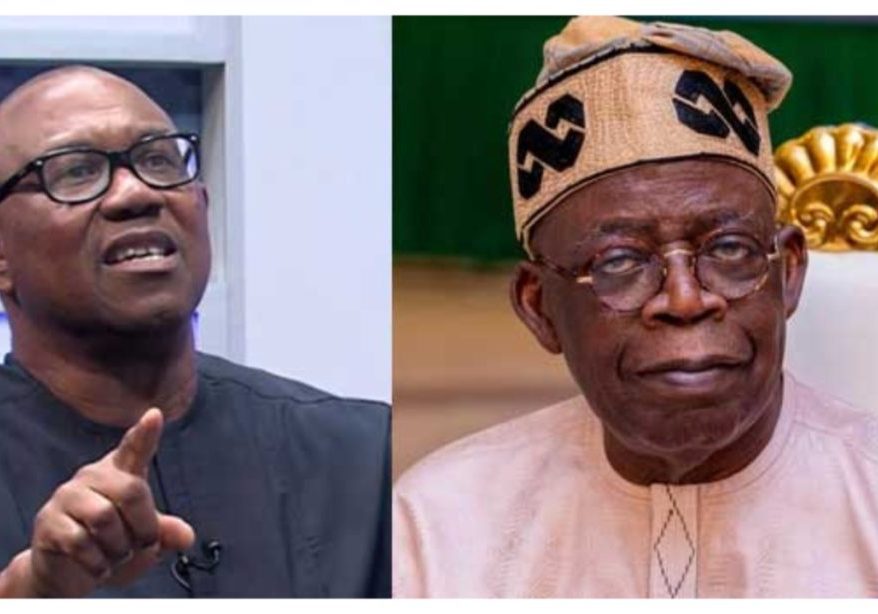
Rivers State Governor Siminalayi Fubara has defended his approach in a prolonged political dispute with former ally and Minister of the Federal Capital Territory, Nyesom Wike, characterizing a perceived conciliatory stance as a deliberate strategy for peace and stability.
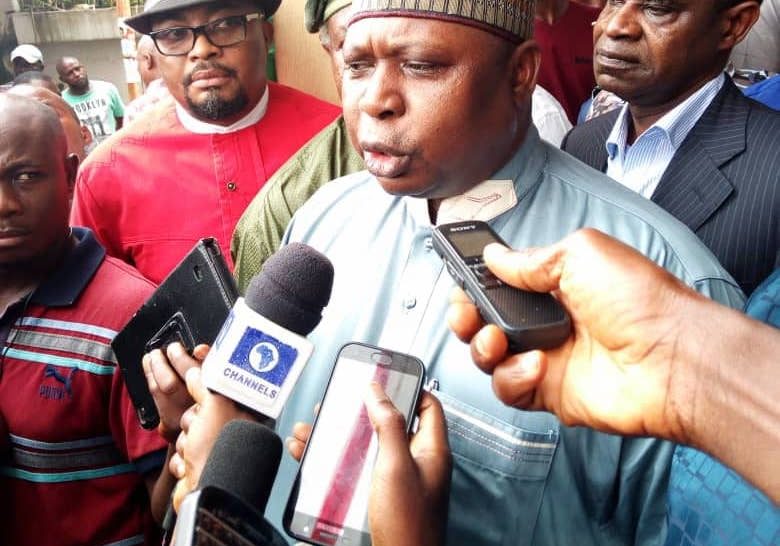
Speaking on Friday in Lagos during the New Telegraph Award/Dinner Night, where he received a Man of the Year honour, Governor Fubara reflected on the intense pressures of leadership. He directly addressed critics who have framed his actions in the conflict as a sign of “weakness.”
“Some of these pains, some persons described them as weakness, while others say it as being strong, but I choose for a lot of reasons to be weak,” Fubara stated. He redefined the term, linking it to higher objectives: “Weak, because I want peace. Weak, because we need to survive. Weak, because I need to also protect those things that are dear, not just to me, but to our dear nation.” The governor concluded that in certain contexts, “weakness is a virtue. It pays at the right time.”
The political confrontation between Governor Fubara and Minister Wike, a prominent figure in the Rivers State chapter of the governing All Progressives Congress (APC), has contributed to significant tension in the state’s governance for over a year. The rift has often played out publicly, affecting political alignments and administrative cohesion.
Fubara’s remarks at the award ceremony offered a personal lens into this strain. He acknowledged the shared burden of his supporters, noting, “Today for me is a very special day, and also special for everyone who has believed in me, and I know for believing in me, you have a share of special pain.”
His explanation frames a tactical choice for de-escalation as a necessary sacrifice for the broader public good, positioning political accommodation not as a failure but as a calculated means to ensure continuity and safeguard collective interests. The governor’s public re-framing of “weakness” as a strategic virtue is expected to influence ongoing discourse around political conflict resolution in Nigeria, particularly concerning state-federal dynamics and internal party disputes. The situation in Rivers State remains a key watchpoint for national political observers.