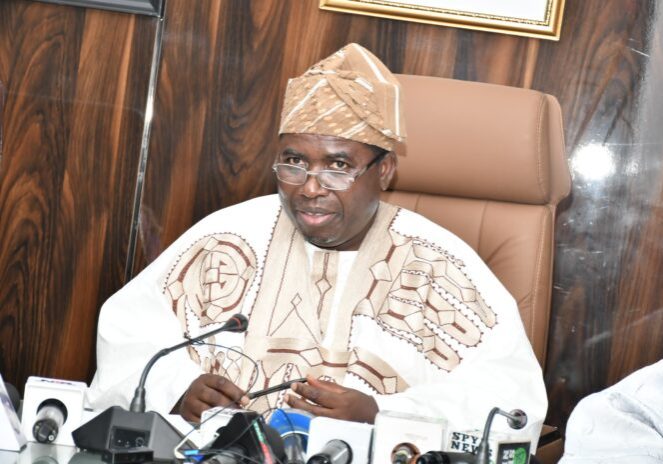
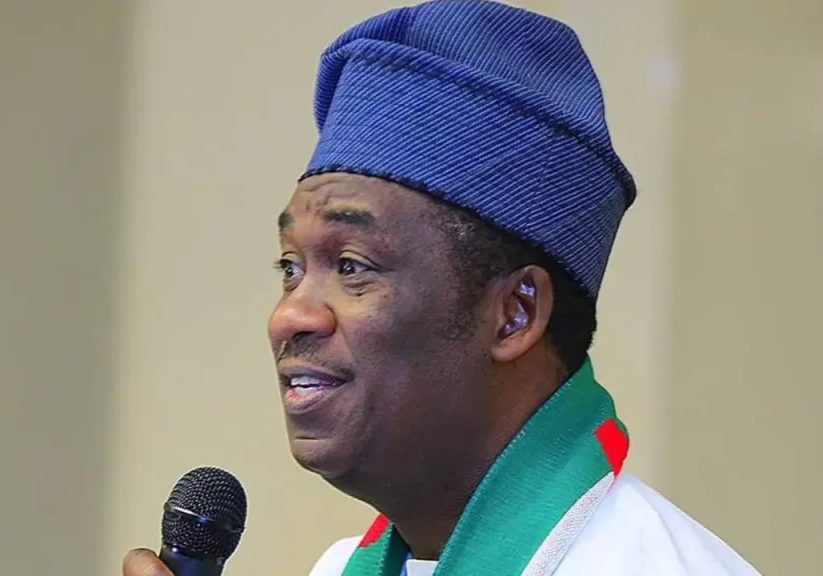
A chieftain of the African Democratic Congress (ADC), Idris Kalgo, has claimed that former Kaduna State Governor Nasir El-Rufai could avoid legal proceedings by defecting to the ruling All Progressives Congress (APC). Kalgo made the statement during a Saturday interview on Trust TV, reacting to an incident at Abuja’s Nnamdi Azikiwe International Airport where Department of State Services (DSS) operatives attempted to arrest El-Rufai.
According to Kalgo, political affiliation directly influences the pursuit of cases in Nigeria. “If El-Rufai decides to join the APC now, the case will die. Just like that,” he said. He drew comparisons to former Attorney-General of the Federation Abubakar Malami, who he asserted is currently in detention, and former Delta State Governor Ifeanyi Okowa. Kalgo argued that Okowa’s freedom stems from his APC membership, noting, “Technically as we speak, Okowa is a free man because he’s in APC.” He added that El-Rufai and Malami are targeted solely because they remain in the ADC, a smaller opposition party.
The context involves El-Rufai, a prominent former governor with a history of political friction with the APC-led federal government. The DSS attempt to detain him has sparked concerns about selective law enforcement. Malami, who served as Attorney-General under the APC until 2023, has faced investigations since leaving office; his reported detention aligns with Kalgo’s narrative. Okowa, who completed his term as Delta State governor in 2023, subsequently joined the APC, and no major cases have been publicly recorded against him since.
Nigeria’s political landscape often sees defections to the dominant APC, which critics argue leverages state resources to weaken opposition. The ADC, with minimal electoral presence, faces heightened risks, as suggested by Kalgo. His comments underscore persistent allegations of partisanship in legal matters, where switching parties may alter one’s legal standing.
Kalgo’s remarks arrive amid ongoing debates about institutional impartiality. The DSS has not commented on the airport incident or the claims of political motivation. El-Rufai’s legal team has also not responded publicly. Observers note that such statements fuel skepticism about the rule of law, especially as Nigeria approaches future elections. The case’s trajectory may hinge on El-Rufai’s political choices, reflecting broader tensions between governance and accountability in the country. Stakeholders continue to monitor developments, emphasizing the need for transparent legal processes independent of political influence.