The United Arab Emirates has intensified its strategic engagement with African nations, announcing major investments and cooperative initiatives during the 2026 African Union Summit in Addis Ababa, Ethiopia.
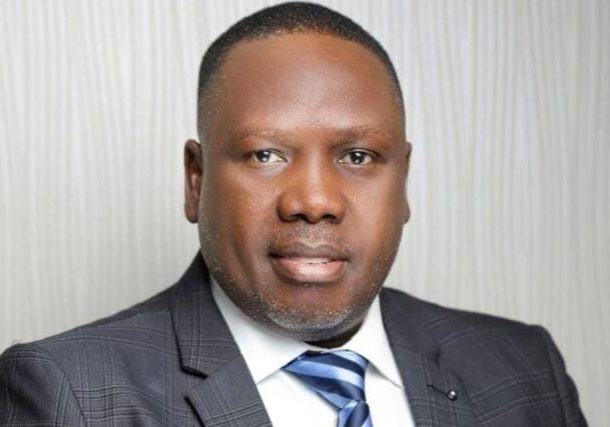
UAE Minister of State Sheikh Shakhbout bin Nahyan Al Nahyan represented the country at the summit, where he emphasized decades of connectivity across the Red Sea and Indian Ocean. He noted the UAE now operates 19 embassies in Sub-Saharan Africa, with further expansion planned, while African diplomatic missions in Abu Dhabi continue to grow, solidifying the UAE’s role as a hub for African trade and dialogue.
Between 2019 and 2023, the UAE committed over $110 billion in investments across Africa—the highest total by any single country in that period. More than $70 billion was directed to energy and renewable sectors. Under the Africa Green Investment Initiative, $4.5 billion has been mobilised for over 60 clean energy projects, spanning solar, wind, geothermal, battery storage, and green hydrogen. Abu Dhabi’s Masdar is leading a $10 billion Africa programme, while the Etihad 7 initiative targets electricity access for 100 million people by 2035.
The UAE has also secured nine Comprehensive Economic Partnership Agreements with African countries, including Nigeria, Kenya, and the Democratic Republic of Congo. These pacts cover tariffs, services, and investment protection, designed to complement the African Continental Free Trade Area by strengthening regional value chains.
Infrastructure cooperation remains central. DP World is upgrading Tanzania’s Dar es Salaam Port in a $1 billion project, while AD Ports Group is building a new terminal in Luanda, Angola, to boost container capacity.
Humanitarian support is another pillar, with nearly 40% of the UAE’s foreign assistance over the past decade—approximately $20.9 billion—directed to African nations.
Looking ahead, water security and climate resilience are emerging priorities. The UAE will co-host the 2026 UN Water Conference with Senegal in December, marking the first time two Global South countries jointly lead this process, underscoring a shared commitment to advancing water and sanitation across the continent.
The UAE’s multifaceted approach underscores its long-term strategy to build partnerships with African states based on economic investment, green transition, and mutual development goals.