
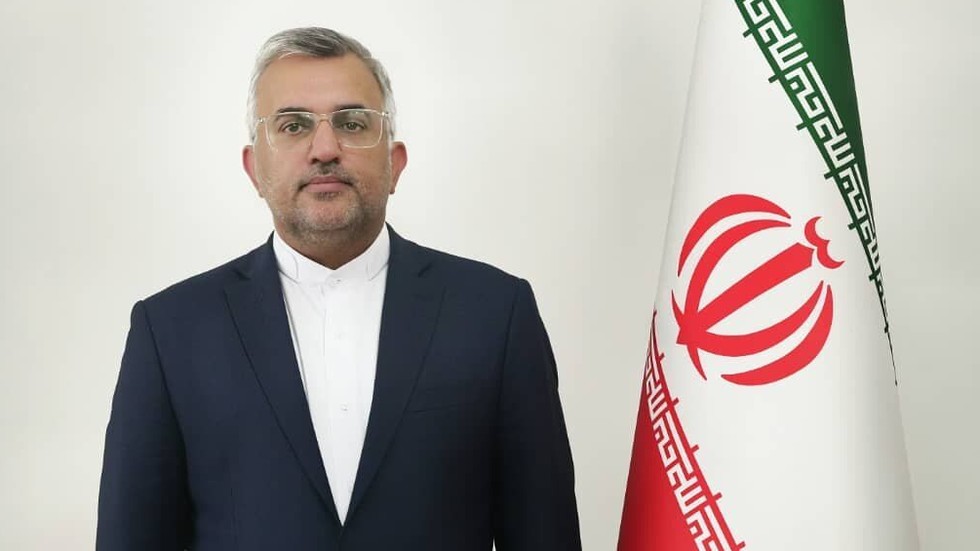
Iran has stated that any enduring nuclear agreement with the United States must include tangible economic benefits for Washington, a condition that highlights the complex dynamics of renewed indirect talks. The comments from Iranian Deputy Foreign Minister Hamid Ghanbari come amid escalating rhetoric from the Trump administration, which has threatened military action and demanded Iran dismantle its nuclear program and curb its missile capabilities.
The two nations began a new round of diplomacy this month with indirect talks in Oman, described by Iran as a “good beginning.” A second session is scheduled for Geneva in the coming days. According to Fars news agency, Ghanbari said discussions have covered shared interests in oil, gas, mining, and aircraft purchases. He argued that the 2015 nuclear deal, known as the JCPOA, failed partly because it did not provide clear economic incentives for the United States, which unilaterally withdrew in 2018.
While pushing for a deal with economic substance, Iran has simultaneously drawn firm red lines. Atomic Energy Chief Mohammad Eslami indicated Iran could dilute its stockpile of highly enriched uranium in exchange for the full lifting of sanctions. However, Foreign Minister Abbas Araghchi has explicitly ruled out abandoning uranium enrichment altogether, even under threat of war. He reiterated that Iran’s “purely defensive” ballistic missile program is non-negotiable. In a separate warning, Araghchi stated Iran would strike American bases in the Middle East if attacked.
These positions contrast sharply with demands from the United States and its allies. Israeli Prime Minister Benjamin Netanyahu has insisted any US-Iran deal must require Tehran to end enrichment entirely and limit missile ranges to 300 kilometers. The divergent expectations underscore the significant gaps that could complicate the Geneva talks.
The negotiations represent a fragile attempt to de-escalate tensions that have intensified with US military deployments to the region. Both sides appear to be testing whether a agreement is possible that addresses core security and economic concerns without requiring either to fully capitulate on long-held principles. The outcome of the upcoming talks will likely determine whether the diplomatic path forward remains viable or gives way to renewed confrontation.


Comments are closed for this story.