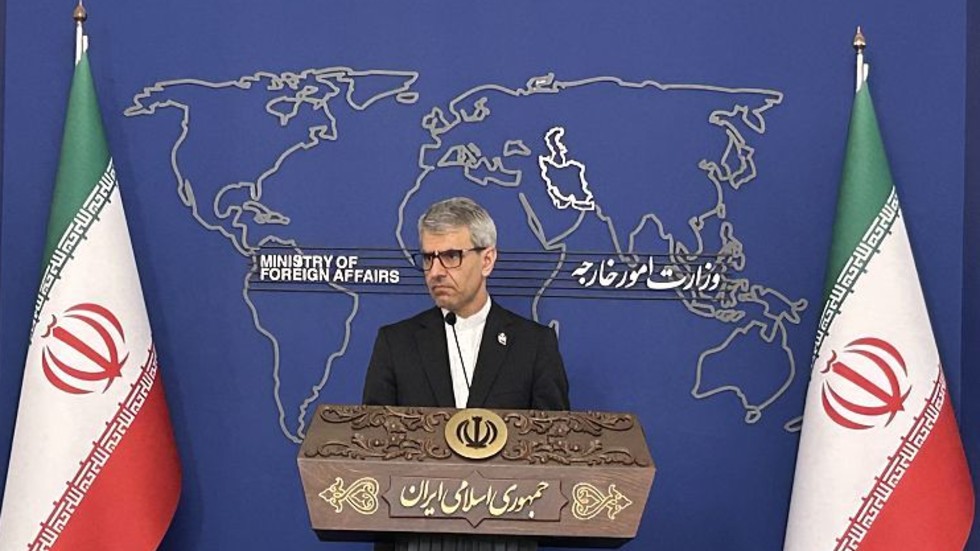
Equities traded in a fragmented fashion while oil prices climbed on Friday, as U.S. President Donald Trump heightened Middle East geopolitical risks by suggesting possible military action against Iran should nuclear negotiations fail to yield a “meaningful deal.”
The remarks disrupted a fragile market recovery from the previous week’s technology-driven sell-off, injecting fresh uncertainty into trading sessions across Asia and Europe. The rhetoric followed the deployment of additional U.S. warships and aircraft to the region, amplifying concerns about potential supply disruptions in the oil-rich area.
Brent crude rose 0.2 percent to $71.80 per barrel, its highest level since June, with West Texas Intermediate also gaining. The surge reflects a persistent risk premium tied to escalating diplomatic tensions. The United States and Iran concluded a second round of indirect talks in Geneva this week, mediated by Oman, aimed at curbing Tehran’s nuclear programme—a development that had previously offered some market relief.
In equities, most Asian markets closed lower. Hong Kong’s Hang Seng dropped 1.1 percent upon reopening after a three-day holiday, while Tokyo’s Nikkei fell a similar margin. European bourses opened positively, with London’s FTSE 100 rising 0.3 percent. Analysts cautioned that Trump’s statements appeared designed as leverage rather than an immediate precursor to conflict. “The U.S. is pairing military readiness with stalled nuclear negotiations, signalling it has credible strike options if talks fail. That doesn’t automatically translate into boots on the ground,” noted Matt Simpson of City Index, adding that continued diplomatic engagement suggests both sides still seek an off-ramp.
The geopolitical focus temporarily overshadowed a stream of stronger-than-expected U.S. economic data this week, which had buoyed sentiment but also reduced market bets on aggressive Federal Reserve interest rate cuts. Traders now await further U.S. figures later in the day for updated guidance on the world’s largest economy.
Separately, the U.S. and Indonesia finalized a trade agreement, avoiding a proposed 32 percent tariff with a 19 percent levy instead. Jakarta also committed to $33 billion in purchases of U.S. energy, agricultural, and aviation goods.
The convergence of Middle East tensions and shifting U.S. monetary expectations frames a volatile backdrop for global markets. While diplomatic channels remain active, the threat of a confrontation continues to support energy prices and inject caution into risk assets. Observers will monitor the next ten days for any concrete developments in the U.S.-Iran dialogue, alongside upcoming U.S. economic indicators, to gauge the durability of the current market stance.