Libyans are observing Ramadan with traditional feasts and family gatherings, yet a deepening economic crisis overshadowed by political division is eroding living standards across the oil-rich nation. Hyperinflation, currency devaluation, and critical shortages of essential goods have turned the holy month into a period of significant hardship for many citizens.
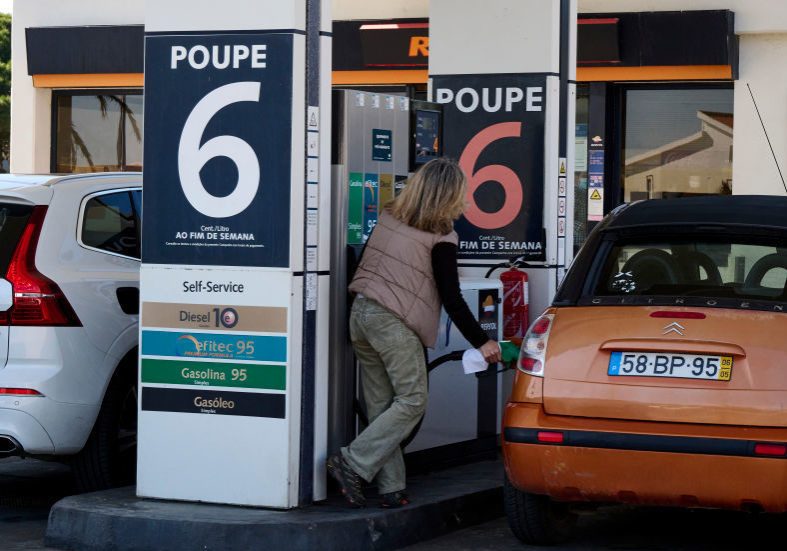
The situation is starkly evident in daily life. Supermarkets have resorted to rationing supplies, while petrol stations frequently lack fuel. In Tripoli, automated teller machines have been widely empty of cash. The economic turmoil follows the central bank’s second devaluation of the Libyan dinar in less than a year, a move the government admits places a “burden on citizens.” Prices for staples have surged; cooking oil has doubled in recent weeks, and meat and poultry are up approximately 50 percent. The official price for a gas cylinder remains 1.5 dinars, but on the black market, refills now sell for 75 dinars or more.
These challenges persist 15 years after the fall of Muammar Gaddafi, with Libya still bifurcated between a UN-recognised government in Tripoli and an eastern administration aligned with military commander Khalifa Haftar. The political stalemate has prevented the formation of a unified national budget and led to uncoordinated public spending through parallel institutions. Despite holding Africa’s largest proven oil reserves, the sector’s revenues are declining while public expenditure grows unsustainably, according to statements from the central bank.
The United Nations has voiced serious concern, with mission chief Hanna Tetteh warning the Security Council that increasing poverty and societal pressure, compounded by a fragile security landscape, “can lead to unexpected political and security challenges.” While large-scale violence has decreased in recent years, the assassination of Gaddafi’s son Seif al-Islam this month underscored lingering instability. The central bank devaluation was framed as a measure to ensure monetary stability, but for average Libyans, it has meant drastically diminished purchasing power.
Tripoli resident Firas Zreeg, like many, attributes the dinar’s collapse to currency speculation, linking it directly to worsening daily life. His experience navigating crowded, sparsely stocked supermarkets encapsulates the national dilemma. The anniversary of the 2011 uprising was marked with fireworks in the capital, yet for most, the celebration rings hollow. Minor security improvements over the past three years have not translated into economic relief, leaving a population rich in hydrocarbon resources to grapple with scarcity and soaring costs, a paradox that threatens long-term stability.