Kaduna State Completes Over 700km of Roads in 16-Month Infrastructure Drive
Kaduna State, Nigeria, has completed or is constructing more than 62 road projects spanning over 700 kilometres since Governor Uba Sani took office in May 2023, marking a significant push to revive stalled infrastructure and improve connectivity across the region.
The administration’s strategy has focused on completing abandoned projects rather than initiating new ones, addressing a backlog of unfinished roads with an average completion rate of about 30 percent. Key completed urban corridors include Kakuri, Barnawa, Pan Drive, Raba–Rigasa, and the Kabala–Aliyu Makama axis, many now over 65 percent complete. These have restored movement in densely populated and industrial areas.
Rural connectivity is a central pillar of the program. The 35-kilometre Gadar Gayan–Gwaraji–Maraban Kujama asphalt road—the longest built in Kaduna in two decades—links three local government areas and 76 farming communities, featuring a 130-metre bridge over the River Kaduna. In Southern Kaduna, the 22.5km Gwantu–Kibam–Godogodo road and the 21.95km Madauchi–Kafanchan road have reopened long-isolated settlements. Similar projects in Soba, Kajuru, and Igabi LGAs aim to boost agricultural transport and reduce rural-urban migration.
Within Kaduna metropolis, efforts have targeted neglected areas like Old Panteka Market and Unguwan Rimi, while a 14.8km ring road and the Airport Road to Tudun Biri expansion support growing suburbs.
A major Public-Private Partnership initiative is developing about 15 interconnected road and bridge networks from College Road to Millennium City, intended to unlock new economic corridors.
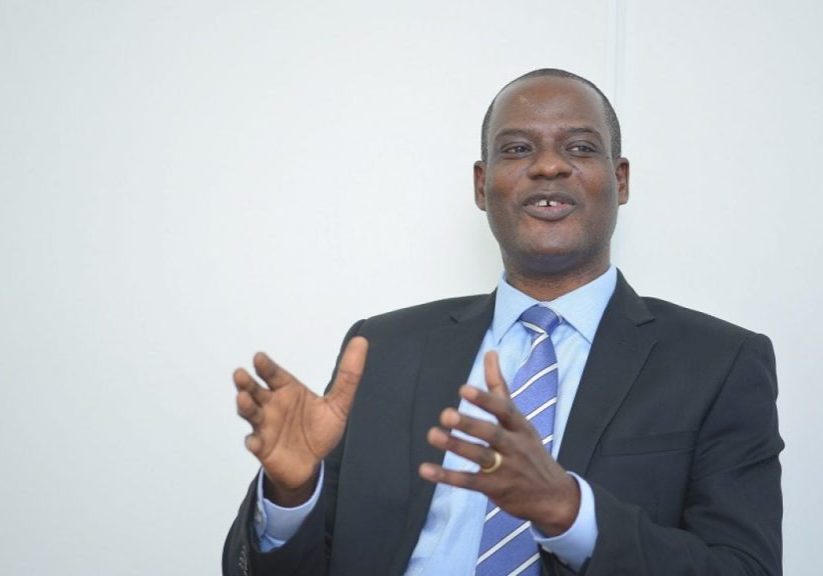
Technical oversight is managed by the Kaduna State Roads Agency (KADRA), led by Managing Director Dr. Abdullahi Baba Ahmed, a quantity surveyor and civil engineer. The agency emphasizes durable construction with proper drainage and quality materials, moving beyond superficial resurfacing. Projects now include solar streetlights and culverts for safety and flood resilience.
According to KADRA, no projects have been abandoned under the current administration; inherited liabilities have been renegotiated to restart work. The scale and pace of delivery represent a deliberate shift from political rhetoric to practical governance, with roads serving as a measurable metric of state capacity. The infrastructure push is framed as non-partisan, aiming to spread development regardless of geography or political affiliation.
The completed roads are expected to gradually reduce transport costs, improve security response times, and stimulate local economies. Their long-term presence is positioned as the administration’s enduring legacy, with benefits accruing to future generations beyond the current political cycle.