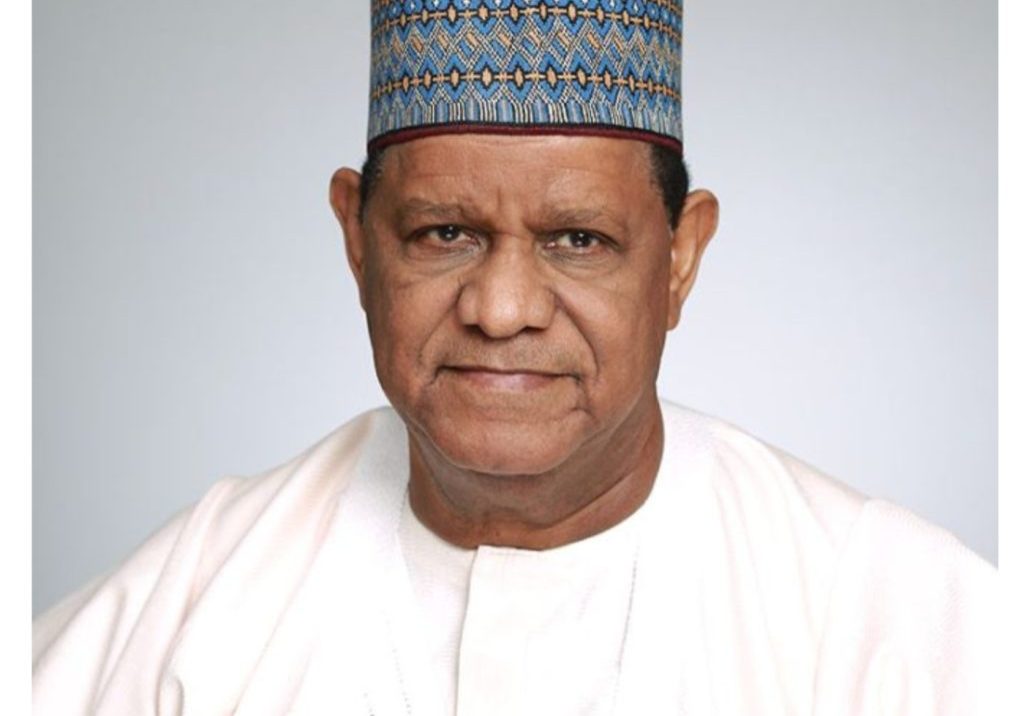
Nigerian Afrobeats artiste Ahmed Ololade, widely known by his stage name Asake, has detailed the early professional obstacles he encountered, including industry resistance to his use of the Yoruba language in his music.
In a recent interview with Famous TV, the singer behind the hit ‘Sungba’ explained that numerous show promoters initially declined to book him because his primary lyrical delivery was in Yoruba. He noted that this rejection was a significant hurdle during his ascent in the competitive Nigerian music scene.
Despite the consistent pushback, Asake maintained his artistic direction. He attributed his subsequent breakthrough to a combination of personal resilience, consistent work, and enduring belief in his craft. “How I got to where I am today is by God’s grace, self-belief, consistency, and endurance,” he stated. “At some point, a lot of people said no to me; they didn’t allow me to perform at shows because I spoke Yoruba. But thank God I didn’t stop, and I kept believing in myself.”
His persistence has been vindicated by commercial and critical success. Asake has become one of the leading figures in the contemporary Afrobeats movement, known for seamlessly blending Yoruba lyrics with English and pidgin. His music, released under the YBNL Nation label, has achieved substantial streaming numbers, chart positions internationally, and major award nominations, demonstrating the global appeal of music performed in local Nigerian languages.
The artiste’s experience highlights a shifting dynamic within the African music industry. Where once English-dominated tracks were prioritised for broader reach, there is now greater commercial viability and acclaim for artists who sing extensively in indigenous tongues like Yoruba, Igbo, and Swahili. Asake’s journey from rejection to stardom serves as a case study in nurturing authentic artistic identity against industry pressure to conform.
His story underscores a broader trend of cultural affirmation in African popular music, where linguistic authenticity is increasingly recognised as a strength rather than a barrier to international success. Asake continues to tour globally and release new music, his early challenges now form a key part of his narrative as an artist who resisted assimilation and, in doing so, helped expand the sound of modern Afrobeats.