Nigerian Economy Faces Mixed Outlook from Middle East Tensions, Says Policy Expert
LAGOS — The escalating conflict between Iran, the United States, and Israel introduces significant geopolitical risk to the global economy, with Nigeria’s oil-dependent economy positioned for both potential gains and vulnerabilities, according to Dr. Muda Yusuf, CEO of the Centre for the Promotion of Private Enterprise (CPPE).
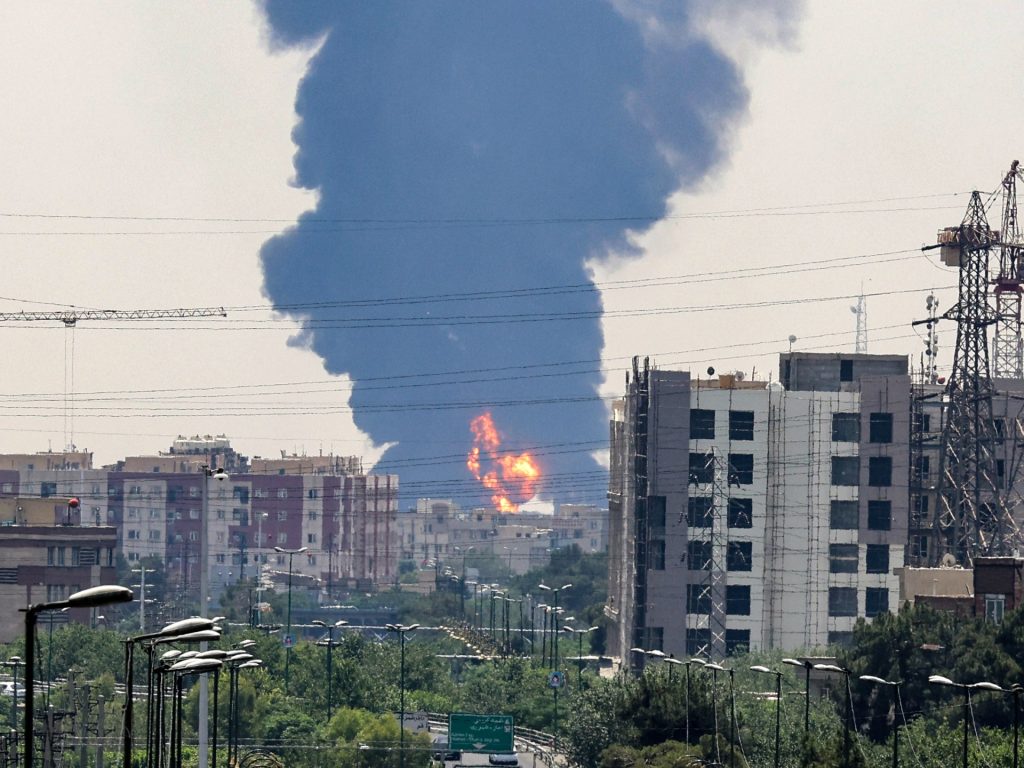
Yusuf stated that the primary transmission channel to global markets is through energy, given the strategic Strait of Hormuz, a corridor for approximately 20 per cent of the world’s daily crude oil supply. Any disruption there would immediately impact oil prices, shipping, insurance, and supply chains. Furthermore, the broader risk of output disruption from major Middle Eastern producers could tighten global supply.
For Nigeria, where crude oil constitutes over 85 per cent of export earnings and nearly half of government revenue, such price spikes historically generate substantial fiscal and external benefits. Yusuf noted that speculative tensions around the Strait have previously triggered price volatility of $5 to $15 per barrel within short periods. Higher prices would increase export receipts, boost foreign exchange inflows, strengthen external reserves, and enlarge allocations to the federal revenue-sharing pool.
However, Yusuf emphasized that these revenue gains are conditional on Nigeria’s production levels. The nation’s current output, hovering between 1.4 and 1.6 million barrels per day, remains below its OPEC quota and installed capacity, hampered by oil theft, pipeline vandalism, and underinvestment. “Without sustained improvement in production efficiency and security, Nigeria may not fully optimise any price windfall,” he said.
Beyond the short-term, a critical risk emerges if the conflict escalates enough to dampen global economic growth and oil demand. A subsequent weakening in demand could lead to price corrections, eroding the initial fiscal windfall. This scenario might also reduce inflationary pressure on the naira and influence investor sentiment.
The analysis underscores a delicate balance for Nigeria: while geopolitical turmoil in the Middle East presents an opportunity to bolster fragile public finances, the country’s capacity to capitalize is intrinsically linked to domestic reforms that address production challenges and infrastructure security. The duration of the conflict and the efficacy of local policy responses will ultimately determine the net effect on the Nigerian economy.