Nigeria Braces for Mixed Economic Fallout from Middle East Tensions, Says CPPE
LAGOS—The escalating conflict between Iran, the United States, and Israel presents a “double-edged” impact for Nigeria’s economy, with outcomes hinging on domestic policy responses, according to Dr. Muda Yusuf, Chief Executive Officer of the Centre for the Promotion of Private Enterprise (CPPE).
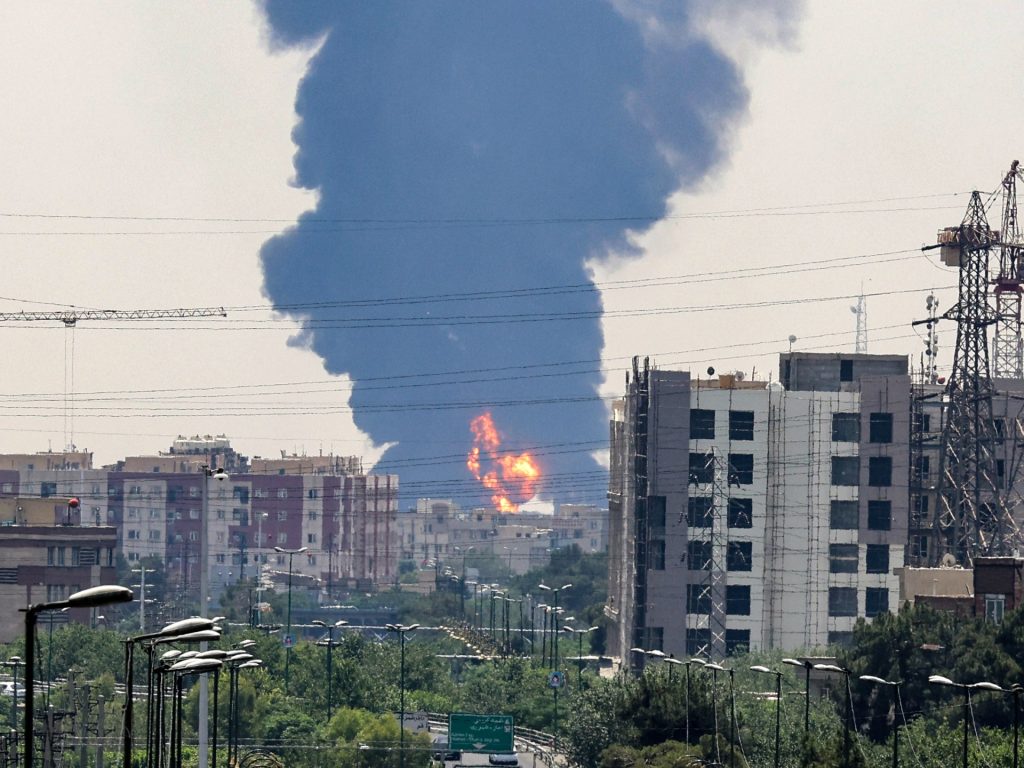
In a statement on Sunday, Yusuf identified global energy markets as the primary transmission channel. The Strait of Hormuz, through which approximately 20% of the world’s crude oil passes, faces heightened risk. Any disruption would immediately affect oil prices, shipping costs, and supply chains. Given Nigeria’s status as an oil-dependent economy—where crude exports constitute over 85% of foreign earnings and about 50% of government revenue—this channel is critical.
Historically, Middle East geopolitical tensions drive sharp increases in crude oil prices due to supply disruption fears. Yusuf noted that speculation around the Strait often triggers price volatility of $5 to $15 per barrel within short periods. For Nigeria, higher prices initially translate into increased export receipts, foreign exchange inflows, stronger external reserves, and larger government revenue allocations.
However, Yusuf emphasized that revenue gains are fundamentally constrained by Nigeria’s production capacity. Current output fluctuates between 1.4 and 1.6 million barrels per day, below installed capacity and plagued by oil theft, pipeline vandalism, and underinvestment. Without sustained improvements in production security and efficiency, the nation may not fully capitalize on price windfalls.
Medium-term risks include a potential dampening of global oil demand and economic growth if the conflict escalates, which could lead to price corrections. Additionally, while higher oil prices might ease short-term pressure on the naira and boost investor confidence, Nigeria’s relatively shallow capital market and sensitivity to foreign portfolio investment mean that global financial volatility could offset foreign exchange gains.
The most immediate domestic risk is inflation. Under Nigeria’s deregulated downstream petroleum sector, higher international crude costs would directly increase prices for petrol, diesel, and aviation fuel. This would ripple through transportation, logistics, food distribution, and manufacturing costs, potentially worsening household welfare despite increased government revenue.
Yusuf framed the situation as an opportunity for disciplined fiscal policy. He advocated for saving a portion of any windfall in stabilisation funds, reducing fiscal deficits, moderating debt accumulation, and prioritising capital expenditure. Strategic imperatives include boosting oil production capacity, deepening domestic refining to cut import dependency, and enhancing foreign exchange market transparency.
“The ultimate impact will depend less on external events and more on domestic policy discipline,” Yusuf stated, underscoring the need to protect vulnerable households from inflation shocks while diversifying the economy through non-oil exports, manufacturing, and services.