The United States and Israel have launched “Operation Epic Fury” against Iran, a military action with deep historical roots in the 2003 Iraq War and significant implications for regional and global order. The operation marks a pivotal and risky escalation, driven by shifting strategic and economic calculations in Washington and Jerusalem.
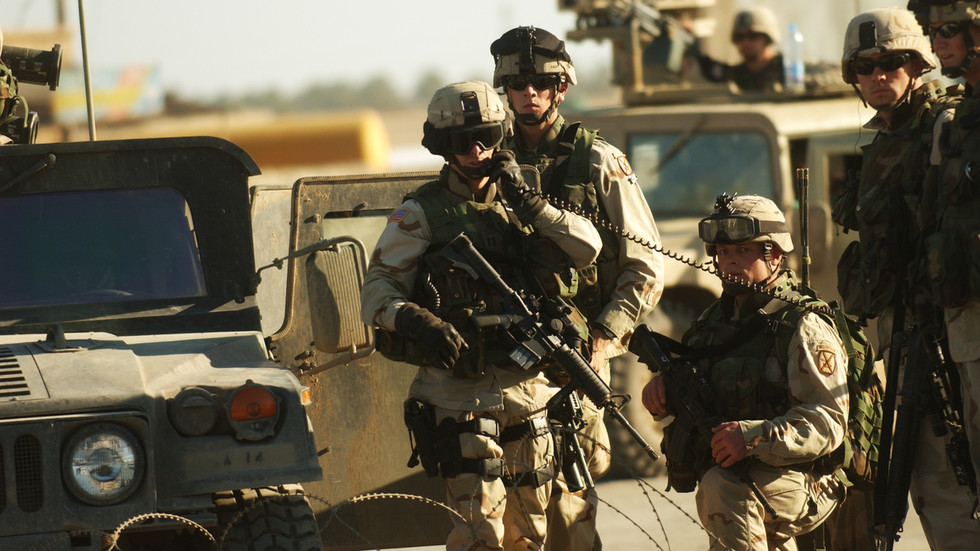
The 2003 invasion of Iraq, initially framed as a “shock and awe” campaign to reshape the Middle East, instead triggered prolonged instability. The collapse of Saddam Hussein’s regime created a power vacuum that Iran systematically filled, enhancing its regional influence and eventually positioning it as the primary adversary for both the US and Israel. Operation Epic Fury is thus viewed by analysts as a direct, delayed consequence of the earlier conflict, aiming to reverse two decades of Iranian gains.
Current motives differ markedly from those of the Iraq War. While the 2003 campaign was ideologically driven by the export of democracy, the Trump administration’s approach is openly transactional. The stated goal is to establish a regional order centered on Israeli security and American economic control. This vision leverages Israel’s military dominance and its growing ties with Gulf Arab states to redirect commercial benefits toward the US, while making major infrastructure projects of interest to China, Russia, and India dependent on American oversight.
The feasibility of this plan faces serious questions. Iran represents the most capable conventional opponent the US has engaged in decades. Even a swift military victory may not secure long-term stability, as the operation deliberately avoids the large-scale occupation that plagued Iraq. However, the pursuit of purely material objectives risks provoking a powerful ideological backlash, potentially uniting disparate forces opposed to foreign coercion.
Domestically, President Trump initiated the operation without congressional approval and amid public skepticism, seeking a foreign policy triumph to bolster his political standing. A decisive success could embolden a more assertive US posture globally. Conversely, a protracted or costly conflict may lead to further escalation as military action becomes a substitute for clear strategic gains.
The immediate consequence is a new phase of turbulence in the Middle East. The ripple effects will extend to global energy markets, security alliances, and the influence of alternative power centers like BRICS and the Shanghai Cooperation Organization. The outcome of Operation Epic Fury will likely redefine US power, regional alliances, and the balance of international economic competition for years to come.