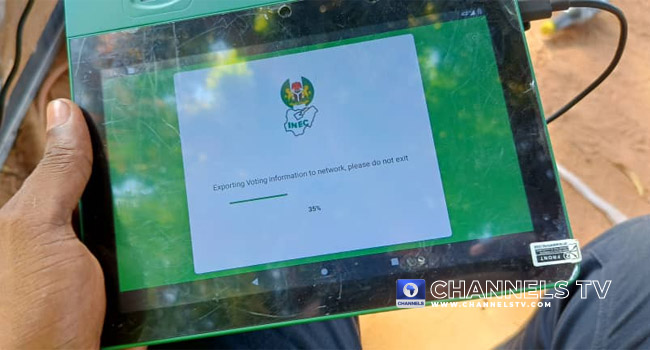
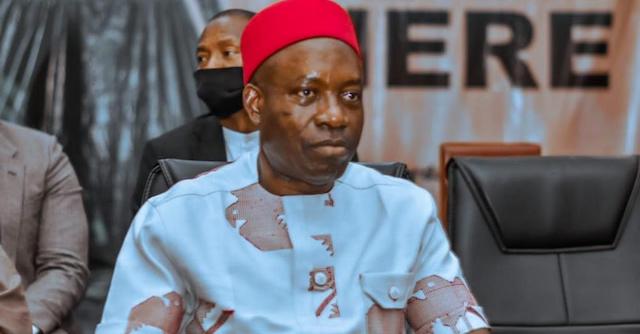
The Chairman of Nigeria’s Independent National Electoral Commission (INEC), Joash Amupitan, has pledged that the commission will prevent a repeat of the technical failures that marred the 2023 presidential election, vowing robust measures to ensure seamless electronic transmission of results in the 2027 general election.
Speaking at a Citizens’ Townhall on the Electoral Act 2026 in Abuja, Amupitan stated that INEC has learned critical lessons from the nationwide scale of the 2023 poll. While the Bimodal Voter Accreditation System (BVAS) was successfully tested in off-cycle governorship elections, the presidential election exposed gaps in stress-testing the technology across all states. He emphasized that thorough pre-deployment testing is now a priority.
To address this, INEC will conduct a nationwide mock presidential election ahead of 2027. This exercise will specifically test the resilience of the result-transmission infrastructure under national conditions. The chairman clarified that recent amendments to the Electoral Act, which introduced a hybrid system allowing manual collation as a backup, are merely safeguards—not an admission that electronic transmission is expected to fail. “The glitch is eliminated; by God’s grace, it will not surface in Nigeria,” he said, while acknowledging that network availability remains the primary operational challenge, not the electronic transmission concept itself.
The 2023 presidential election results were delayed in uploading to INEC’s Result Viewing Portal (IReV) due to BVAS technical issues, sparking allegations of manipulation and legal challenges later dismissed by the Supreme Court. The 2026 Electoral Act amendments, signed by President Bola Tinubu, now permit electronic transmission but retain manual result sheets as the legal foundation if technology fails. This compromise has drawn criticism from civil society groups like Yiaga Africa and politician Peter Obi, who argue it could undermine transparency.
Amupitan conceded that achieving perfection is difficult but promised “significant progress” and a “near-perfect election.” He stressed that credible polls are the lifeblood of democracy. INEC’s strategy combines improved technology testing, logistical planning, and legal clarity to rebuild public trust. Success will depend on overcoming persistent infrastructure hurdles, particularly nationwide network reliability. The commission’s ability to deliver transparent, electronically transmitted results in 2027 will be a key test of Nigeria’s electoral integrity and a determinant of public confidence in the democratic process.