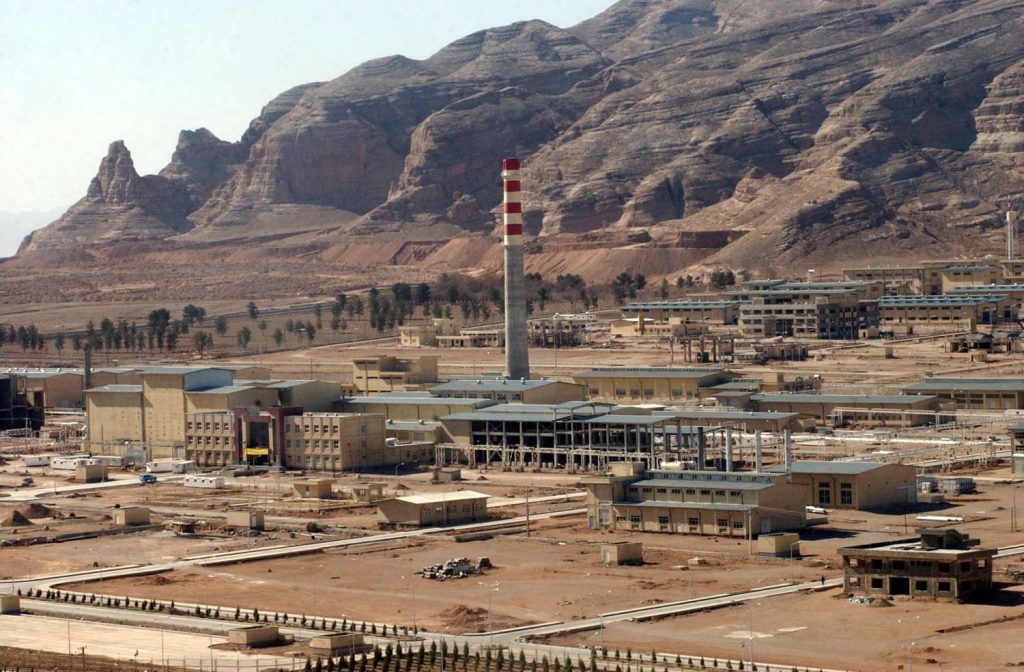
Dangote Refinery, Africa’s largest oil processing facility, has increased its wholesale petrol price to N874 per liter, up from N799, marking the second significant adjustment this year. The 650,000-barrel-per-day refinery, a cornerstone of Nigeria’s energy sector, implemented the N75-per-liter rise on Monday.
The change was confirmed by Chinedu Ukadike, spokesperson for the Independent Petroleum Marketers Association of Nigeria (IPMAN), who cited escalating global crude oil prices as the direct cause. “It is due to global crude oil price volatility following the Iran-US-Israel war. It is the ripple effect of ongoing conflict,” Ukadike stated in an interview with local media.
This domestic price adjustment follows a notable surge in international benchmark crude oils. Brent crude rose to $78.50 per barrel, and West Texas Intermediate (WTI) reached $71.84, up from $72.87 and $67.02 respectively just days prior. Market analysts link this upward trajectory to heightened geopolitical tensions in the Middle East, which threaten supply stability.
The refinery’s pricing decision is poised to trigger a corresponding increase in retail fuel prices across Nigeria. As the country’s primary domestic supplier, Dangote’s gantry price—the rate at which it sells to marketers—serves as a key benchmark for the national market. This latest hike comes just weeks after the refinery raised its petrol price by N100 per liter in late January, underscoring the immediate transmission of global market volatility to Nigerian consumers.
Nigeria, Africa’s most populous nation, has long relied on imported petroleum products. The operational launch of the Dangote Refinery was anticipated to reduce this dependence and stabilize local prices. However, its pricing is now directly tied to global oil markets, a reality that continues to challenge national efforts to control fuel costs. The refinery’s dual role as a domestic supplier and a price-taker in the global market highlights the delicate balance between energy security and international economics.
The development signals that Nigerian motorists and businesses should prepare for higher transportation and operational costs in the near term. With global oil markets remaining sensitive to geopolitical developments, further price revisions by the refinery remain possible, perpetuating a cycle where international conflicts directly impact domestic economic conditions.