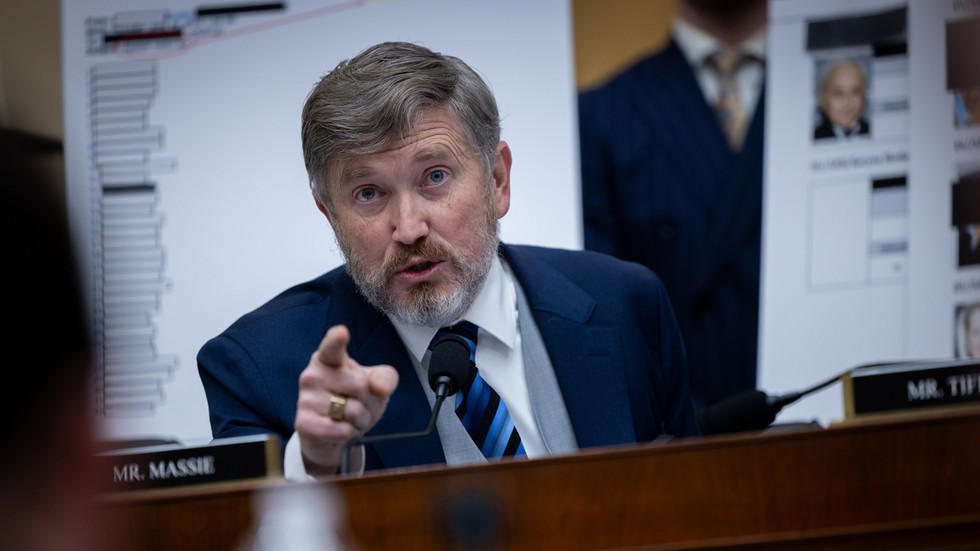
Republican Congressman Thomas Massie has accused President Donald Trump of attempting to divert public attention from the Jeffrey Epstein scandal by escalating military tensions with Iran. Massie’s criticism follows the recent release of millions of pages of documents related to the convicted sex offender by the U.S. Department of Justice (DOJ).
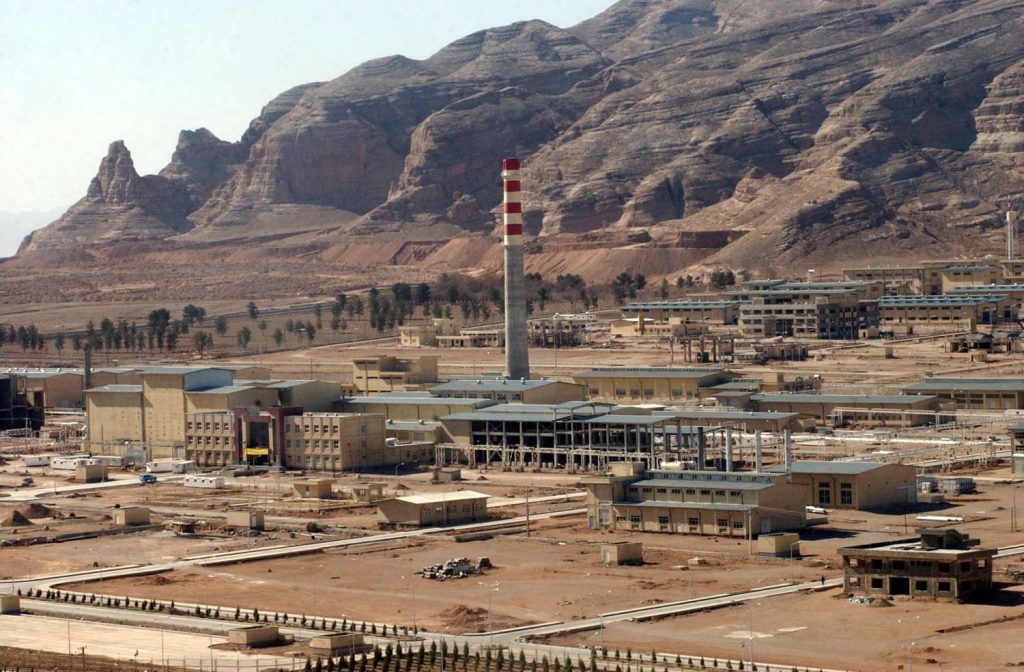
“Bombing a country on the other side of the globe won’t make the Epstein files go away,” Massie stated on social media platform X. He also described U.S. involvement in strikes on Iranian targets as “acts of war unauthorized by Congress,” adding that such actions are inconsistent with an “America First” foreign policy.
The controversy stems from the Epstein Files Transparency Act, which Massie co-sponsored with Democratic Representative Ro Khanna. The law, signed by Trump in November 2024, mandated the DOJ to release all documents pertaining to Epstein. While the initial disclosures mention Trump over 5,000 times, no evidence of criminal activity by the president has been revealed. Massie and Khanna have since publicly identified six men whose names were redacted in the final document release, with Khanna suggesting the vast file volume could conceal additional individuals.
U.S. Deputy Attorney General Todd Blanche dismissed the lawmakers’ assertions as “grandstanding,” asserting the DOJ has transparency and nothing to conceal. The Justice Department has not announced any charges against individuals named in the files to date.
Massie’s stance has significantly strained his relationship with the president. In January, Trump publicly labeled Massie a “weak and pathetic third-rate congressman” and endorsed his primary challenger in Kentucky’s 4th Congressional District.
Analysts note the Epstein file releases remain a politically charged issue, with some lawmakers arguing the documents have not been fully disclosed. The clash highlights ongoing tensions between congressional oversight and executive authority, particularly regarding foreign military action and the handling of high-profile historical cases. The situation underscores the delicate balance between national security decisions and demands for transparency in politically sensitive investigations.