IAEA Warns of Regional Nuclear Risks Amid Middle East Escalation
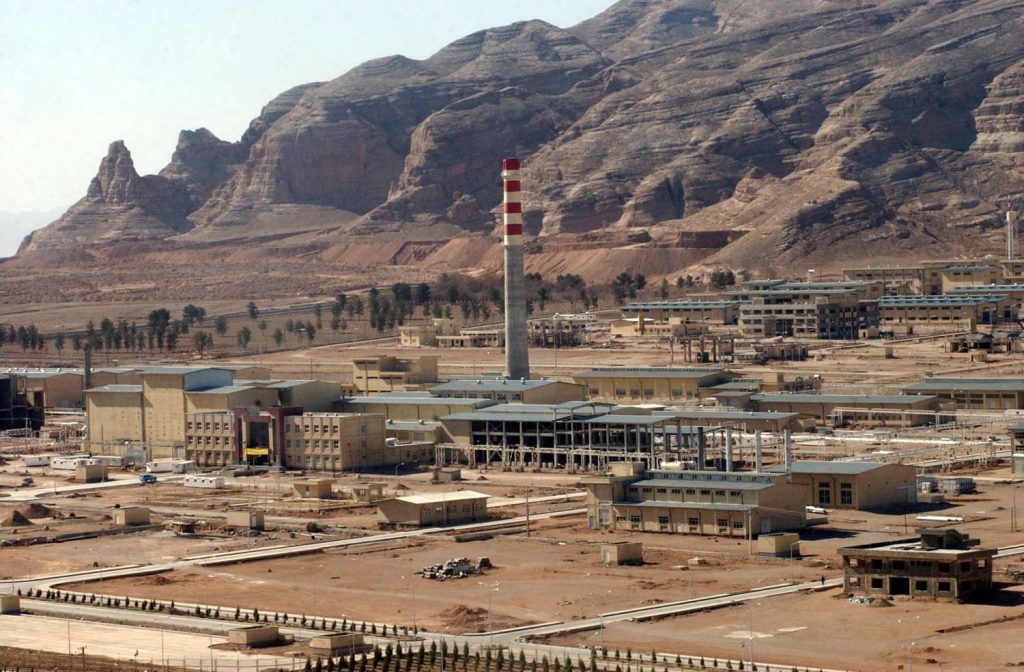
The International Atomic Energy Agency (IAEA) reports no current evidence of damage to Iran’s nuclear facilities, including the Bushehr Nuclear Power Plant and Tehran Research Reactor, following three days of intense military escalation across the Middle East. However, IAEA Director General Rafael Grossi urged immediate diplomatic action, warning that the conflict significantly increases risks to nuclear safety in a region with multiple operational nuclear sites.
Grossi’s appeal came as Israel and the United States conducted strikes on Iranian targets, and Iran launched retaliatory ballistic missile and drone attacks across the Gulf. Speaking to the IAEA Board of Governors in Vienna, Grossi stated that radiation levels in bordering countries remained normal but emphasized that military operations near nuclear installations could have catastrophic consequences. He noted that the United Arab Emirates operates four nuclear reactors, while Jordan and Syria have research reactors, and that Bahrain, Iraq, Kuwait, Oman, Qatar, and Saudi Arabia—all reportedly hit by Iranian fire—also utilize nuclear technology.
The conflict’s human toll mounted. The World Health Organisation (WHO) confirmed damage to Tehran’s Gandhi Hospital, reminding that health facilities are protected under international humanitarian law. Unverified claims emerged from both sides at the UN Human Rights Council in Geneva. Gulf states, including Bahrain, Jordan, and the UAE, condemned Iranian attacks as violations of sovereignty and international law. The UAE alleged three civilian deaths from Iranian strikes since February.
Iran, in turn, presented a starkly different narrative. Its representative, Ali Bahreini, accused Western and regional forces of “indiscriminate and invasive” attacks, claiming the assassination of Supreme Leader Ayatollah Ali Khamenei and the bombing of schools and hospitals. He specifically alleged that over 160 schoolgirls were killed in a strike on a primary school in Minab. Iran also communicated to the UN Conference on Disarmament that all U.S. military assets in the region are now “legitimate targets” under its claimed right to self-defence.
With military actions spreading to Lebanon—where Israel struck Hezbollah targets—Grossi called for “utmost restraint in all military operations.” His central warning underscores the new dimension of the crisis: a regional war intersecting with nuclear infrastructure, where miscalculation could trigger a radiological emergency. The IAEA continues to monitor the situation closely, but its primary message is a political one: the current path poses an unacceptable threat to regional and global safety, demanding an immediate return to dialogue.