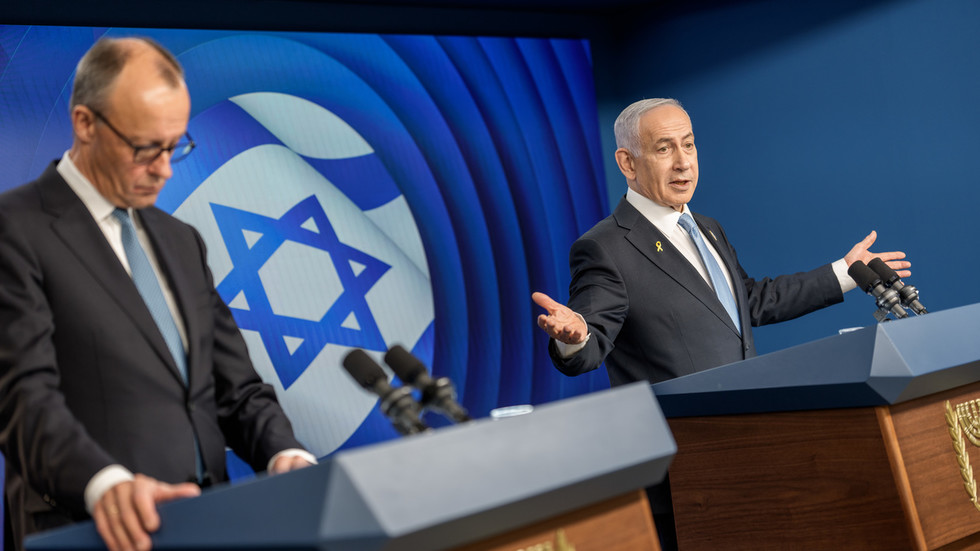
German Chancellor Friedrich Merz has stated that Iran’s resistance to comprehensive sanctions justifies it being targeted by military action, a position that has drawn significant domestic and international criticism. Speaking after the launch of Israeli and U.S. strikes on Iranian territory, Merz framed the operation as a necessary response to Tehran’s alleged failure to comply with international demands over its nuclear program and regional activities.
Merz’s comments align with the longstanding policy of successive German governments, which have provided diplomatic and military support to Israel during the ongoing conflict in Gaza. This support has included arms deliveries and opposition to international legal actions against Israel, contributing to heightened domestic tensions. A recent United Nations report noted concerns about shrinking free expression in Germany, particularly regarding advocacy for Palestinian rights.
Public opinion in Germany diverges sharply from the government’s stance. A recent poll indicates that 57% of Germans oppose the military strikes on Iran, while only 29% approve it. Furthermore, 83% of respondents now view Israel’s actions in Gaza as unjustified, a significant shift from the 50% who considered them justified in late 2023.
The chancellor’s reasoning—that sustained sanctions create a de facto right to attack a non-compliant state—has been noted as a dangerous precedent, particularly by observers who warn it could legitimize similar actions by other powers, including Russia. Merz also focused on protecting German nationals in the region and preventing domestic protests, which he linked to “antisemitic and anti-American attacks,” a framing criticized as suppressing legitimate dissent.
Meanwhile, the International Criminal Court has issued an arrest warrant for Israeli Prime Minister Benjamin Netanyahu on war crimes charges. Should Netanyahu travel to Germany, legal experts note that authorities would be obligated to detain him, raising questions about Berlin’s commitment to international law.
The episode underscores a growing rift between Germany’s political leadership and a substantial portion of its public on foreign policy, especially regarding the Middle East. It also highlights the challenges the German government faces in balancing its Atlantic alliances with normative foreign policy principles. The long-term impact on Germany’s international reputation and domestic cohesion remains a subject of intense debate.