
Global oil and gas prices surged following military escalation in the Middle East, directly impacting the cost of cooking gas for consumers in Nigeria and other import-dependent markets. The disruption began after Iran attacked shipping and energy facilities in the Gulf, effectively closing the Strait of Hormuz—a critical artery for nearly 20% of global oil and LNG supplies.
Brent crude, the international benchmark, rose 4.7% to settle at $81.40 per barrel, its highest level since early 2025. U.S. West Texas Intermediate jumped to $72.24 from $62, marking one of its sharpest single-day rallies. European gas prices saw extreme volatility, soaring up to 40% in a single session after a similar surge the previous day. The closures forced production stoppages from Qatar to Iraq, with Qatar shutting major LNG facilities that supply about 20% of global exports. Shipping rates also hit record highs as tanker traffic through the strait collapsed from a daily average of 24 vessels to just four.
Iraq, OPEC’s second-largest producer, warned it may cut output by over 3 million barrels per day if tankers cannot access loading points. The country has already reduced production by 1.16 million barrels per day from two major fields.
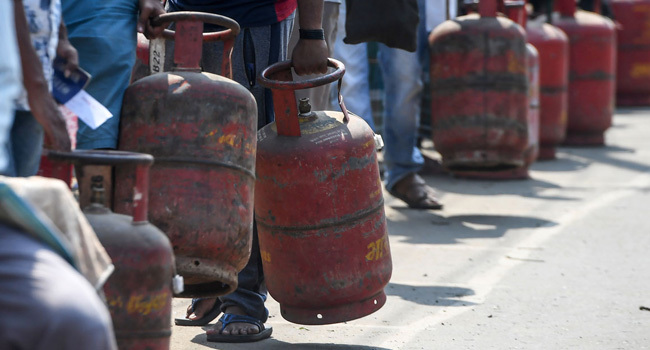
In Nigeria, a nation with vast natural gas reserves but limited refining capacity, the price of liquefied petroleum gas (LPG), commonly known as cooking gas, rose sharply. Major distributors including Nipco Plc, Navgas Limited, and Techno Oil Limited increased prices to between ₦885 and ₦950 per kilogram, up from an average of ₦800. Local depot owners raised prices by an average of ₦100 per kilogram.
This increase is tied directly to Nigeria’s reliance on imported LPG and international pricing benchmarks. While data from the Nigerian Midstream and Downstream Petroleum Regulatory Authority (NMDPRA) showed 87% of the 52,900 metric tonnes supplied in 2025 came from local sources, the country still depends on imports for 13% of its consumption. Historically, import dependence has been much higher, at 50% or more, with significant volumes sourced from the U.S. and Equatorial Guinea. Because both imported gas and domestically produced LPG are priced against global markets and subject to foreign exchange fluctuations, Nigerian consumers remain vulnerable to international price shocks.
The Strait of Hormuz closure has stranded hundreds of tankers near hubs like Fujairah, prompting some companies to seek alternative, longer shipping routes. While regional allies including Saudi Arabia and the UAE have intercepted most attacks, concerns persist about the sustainability of their missile and drone defenses.
For Nigerian households, the immediate effect is higher cooking costs, echoing broader global energy inflation. The situation underscores the nation’s strategic challenge: despite holding Africa’s largest gas reserves, domestic production and infrastructure have not yet eliminated import dependence, leaving consumers exposed whenever global markets tighten.


Comments are closed for this story.