South African President Cyril Ramaphosa has indicated South Africa’s conditional readiness to act as a mediator in the escalating Middle East conflict, stating the nation would intervene if formally requested by the parties involved. The offer, framed as part of South Africa’s broader diplomatic tradition, underscores growing international concern over the region’s intensifying violence and the urgent need for de-escalation.
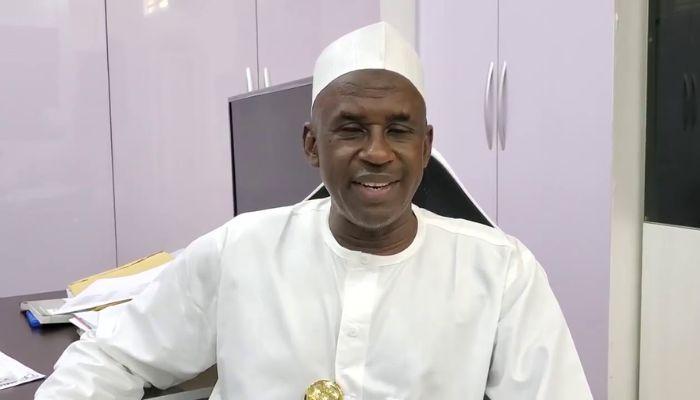
President Ramaphosa made the remarks during the sidelines of an energy conference held in Cape Town. Speaking to local media, with his comments broadcast by Newzroom Afrika, he emphasized that South Africa is “always ready to play a contributing role, either in mediation or whatever.” His proposal is contingent upon an official invitation from the conflicting parties, a standard prerequisite for such neutral interventions.
Central to Ramaphosa’s message was a staunch advocacy for an immediate ceasefire and renewed dialogue. He described these as essential and non-negotiable steps toward ending the war, stating, “If the opportunity were to open, we would talk and say: there must be a ceasefire. Dialogue is always the best way of ending conflict and then ending the war.” This stance aligns with South Africa’s historical posture of promoting negotiated settlements in international disputes, from Burundi to the Democratic Republic of Congo.
Beyond diplomatic signaling, the President highlighted a concrete humanitarian effort. He confirmed that the South African government is actively engaged in operations to repatriate citizens who have become stranded in the conflict-affected region, drawing direct attention to the crisis’s human cost for South African nationals abroad.
This overture arrives amid heightened global tensions following recent large-scale military actions in the Middle East, which have provoked widespread calls for international peace efforts. South Africa’s expressed willingness to mediate reflects a calculated emphasis on multilateral conflict resolution and soft power diplomacy. The proposal now hinges on whether the warring parties perceive value in a third-party mediation from a nation with no direct historical entanglements in the regional dispute. The international community will watch closely for any formal requests that might trigger Pretoria’s involvement in what remains one of the world’s most volatile geopolitical crises.