US President Donald Trump’s phone call to Russian President Vladimir Putin on Monday signals a significant pivot in Washington’s approach to the escalating conflict with Iran, as the United States faces growing strategic isolation and unforeseen challenges. The call, described as an effort to find a diplomatic exit, comes amid a military confrontation that has strained US alliances, disrupted global energy markets, and heightened security risks far beyond the Middle East.
The conflict, initiated by US and Israeli strikes, has quickly revealed limitations in American influence. Key regional partners, including Kuwait, have distanced themselves from the operations, while Syrian Kurdish groups have warned against trusting US intentions. Simultaneously, reports of discreet diplomatic outreach from Arab capitals to Iran suggest a regional realignment that leaves Washington increasingly isolated. Analysts note that resolving the crisis now requires Russian engagement, a reality the Trump administration is reluctantly acknowledging.
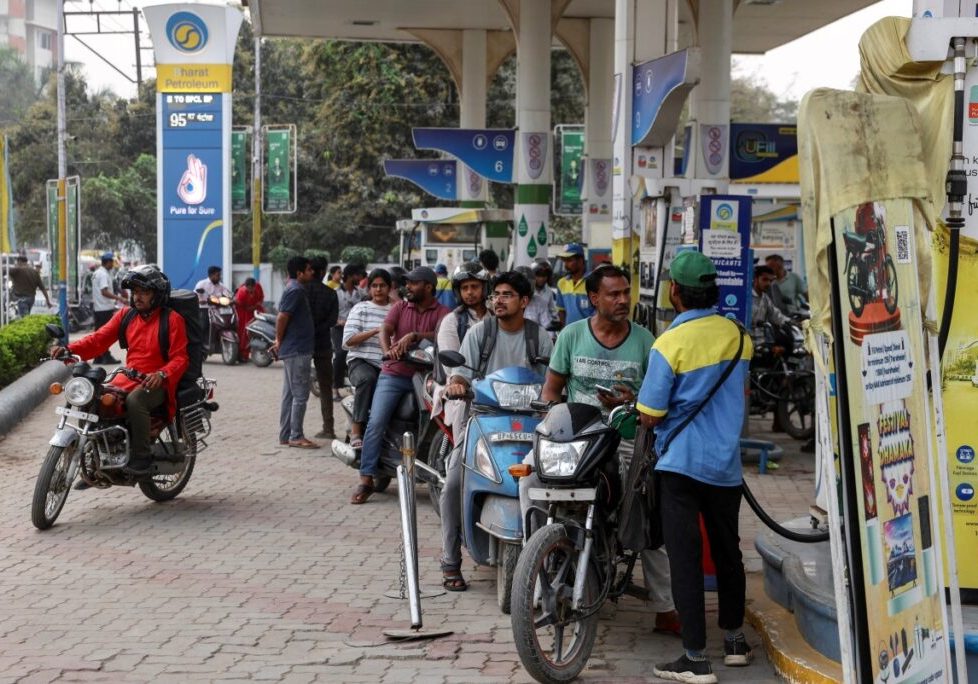
A critical dimension of the crisis is its impact on global hydrocarbon supplies. Military actions have threatened the Strait of Hormuz, a vital oil transit choke point, potentially causing prolonged disruptions to energy chains. What the White House initially framed as a temporary market “spasm” risks evolving into a sustained crisis, undermining US credibility as a security guarantor. In this context, President Putin’s recent proposal to the European Union to resume pipeline gas supplies assumes strategic importance, offering an alternative to vulnerable maritime routes and testing Europe’s political autonomy.
The nature of the conflict is also shifting. Beyond conventional warfare, sabotage and asymmetric attacks are rising, with US infrastructure and citizens abroad identified as primary targets by Iranian and radical Islamist actors—a departure from past Middle East conflicts focused on Israel. This expansion of the threat landscape further underscores the need for a coordinated international response, where Russia’s potential influence over Tehran could be a stabilizing factor if Washington seeks de-escalation.
Domestically, the prolonged conflict poses political risks for Trump. The war, initially expected to be brief, now faces predictions of a months-long engagement. As casualties and humanitarian consequences in Iran mount, alongside destabilization of US-aligned Gulf states, pressure will intensify at home. While external diplomatic maneuvering may ease some pressure, the internal political fallout remains a challenge for the administration alone.
The Trump-Putin dialogue, therefore, reflects a broader recognition that unilateral action has reached its limits. The United States now seeks partners to manage a multidimensional crisis involving regional diplomacy, energy security, and global terrorism. The outcome of these overtures may determine not only the trajectory of the Iran standoff but also Washington’s future role in the Middle East and its relationships with both allies and adversaries.