Asian stock markets extended their recent rally on Wednesday, while oil prices stabilized following a report that the International Energy Agency (IEA) is proposing a record release of strategic reserves to counter supply fears stemming from the Middle East conflict.
The proposed IEA release would surpass the 182 million barrels coordinated by its members after Russia’s 2022 invasion of Ukraine. The plan was circulated at an emergency meeting of the 32 member countries, with a decision expected Wednesday, according to the Wall Street Journal. This development offered some reassurance to markets rattled by a week of intense volatility in crude markets.
Oil prices had surged to nearly $120 a barrel on Monday, the highest since 2022, after the United States and Israel began strikes on Iran and Tehran retaliated by effectively halting shipments through the critical Strait of Hormuz. However, prices fell sharply on Tuesday following comments from U.S. President Donald Trump suggesting an imminent end to the conflict and the G7’s discussion of reserve releases. Both Brent and West Texas Intermediate futures dropped about five percent on Wednesday before paring losses, reflecting persistent investor anxiety about the unresolved crisis.
The equity gains were led by Tokyo’s Nikkei 225, up 2.1 per cent, and Seoul’s Kospi, which rose 3.3 per cent. Other regional markets including Hong Kong, Sydney, and Manila also advanced, while Shanghai and Singapore edged lower. The moves follow sharp swings in the region since the conflict escalated.
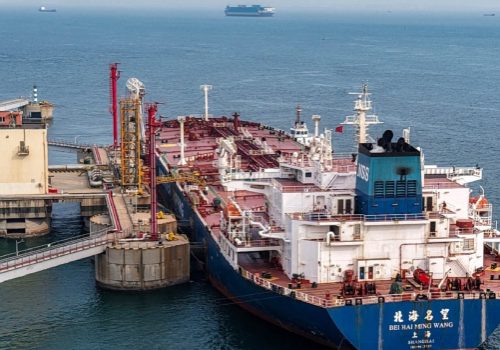
In Washington, a U.S. Department of Energy spokesperson confirmed officials are monitoring the situation and exploring options to keep the Strait of Hormuz open, including the potential for Navy escort of tankers. Iran has vowed to block Gulf oil exports and asserted it will determine the war’s end, while Trump warned Tehran against mining the waterway, through which about 20 per cent of the world’s seaborne oil typically passes.
Analysts noted a divergence in messaging between the U.S. and Israel, with Israeli Prime Minister Benjamin Netanyahu’s remarks suggesting a less imminent de-escalation than Trump’s statements. France’s finance minister also indicated the G7 is “not there yet” on a coordinated reserve release.
“The bigger question for markets is whether energy flows in the region can return to normal,” said Fawad Razaqzada of Forex.com. “The Strait of Hormuz remains the critical focal point… Until traders see clear confirmation that shipping routes are secure and production is stabilising, oil prices are unlikely to retreat significantly further.”
At 0230 GMT, Brent crude was up 0.6 per cent at $88.28 per barrel, while WTI gained 0.4 per cent to $83.75. The financial markets’ resilience hinges on the physical security of oil shipments and a clear path to de-escalation in the Gulf.