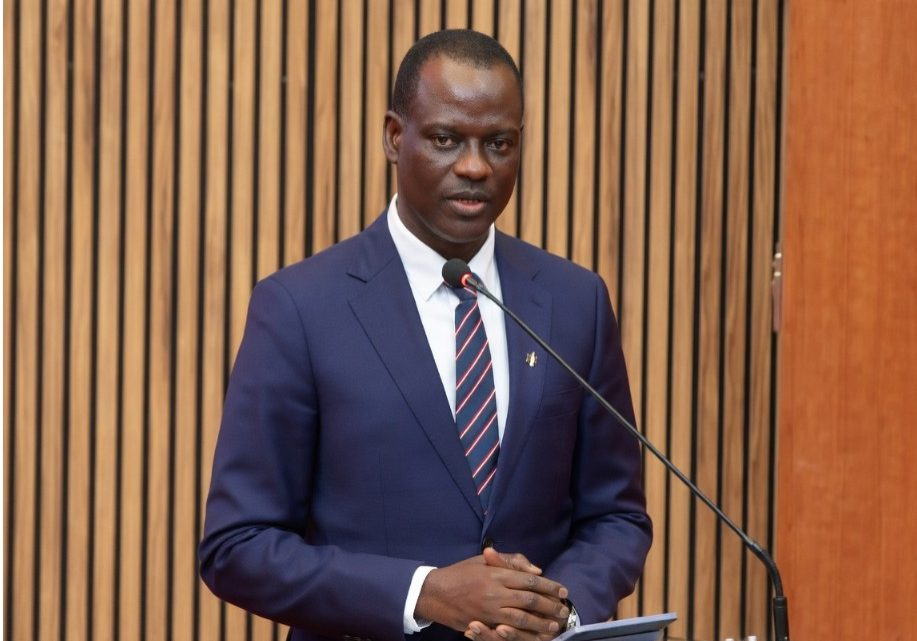
A legal practitioner and member of the African Democratic Congress (ADC), Kenneth Okonkwo, has declared his party the nation’s leading opposition force, following the defection of nine senators and predicting further realignments ahead of future elections.
Okonkwo’s comments, made during a Friday interview on Channels TV, respond to the Media Talk Africa’s report that the defections have positioned the ADC as the largest minority bloc in the National Assembly. He asserted that the party’s growth is organic, not driven by access to state resources. “We’re not APC; we don’t have power to give and we don’t have resources to give,” Okonkwo stated, distinguishing the ADC from the ruling All Progressives Congress (APC).
The lawyer explained that the ADC’s ascent stems from a deliberate coalition of opposition figures disillusioned with existing parties. He revealed that he had long advised leaders from the Peoples Democratic Party (PDP) and Labour Party (LP) to unite, arguing individually they were “not viable” to challenge the APC. According to Okonkwo, that coalition ultimately coalesced around the ADC as their shared platform to pursue what he termed “the aspiration for a new Nigeria.” He framed this alliance as a necessary response to the APC, which he described as “an enemy of democracy and certainly an enemy of the welfare of the people.”
Despite not controlling the federal executive, Okonkwo insisted the ADC has become the most credible opposition vehicle. “The truth is that ADC, the African Democratic Congress, is today the leading opposition party,” he said. He forecast that the trend of politicians joining the ADC would continue, suggesting the APC’s dominance could wane.
The developments point to a significant reshuffling of Nigeria’s political landscape. The ADC, historically a minor party, is now positioned as a central hub for opposition coordination following the 2023 elections, where the PDP and LP failed to dislodge the APC. Okonkwo’s narrative suggests the party’s strength lies in its role as a consensus destination for anti-incumbency sentiment rather than in its own historical machinery. Analysts note that if sustained, this consolidation could alter parliamentary dynamics and strategy for the 2027 electoral cycle, presenting a more unified challenge to the ruling party. The upcoming months will test the durability of this new coalition and its ability to translate legislative minority status into effective national opposition.