Nigerian Lawmaker Defects from PDP to ADC, Citing Party Crisis
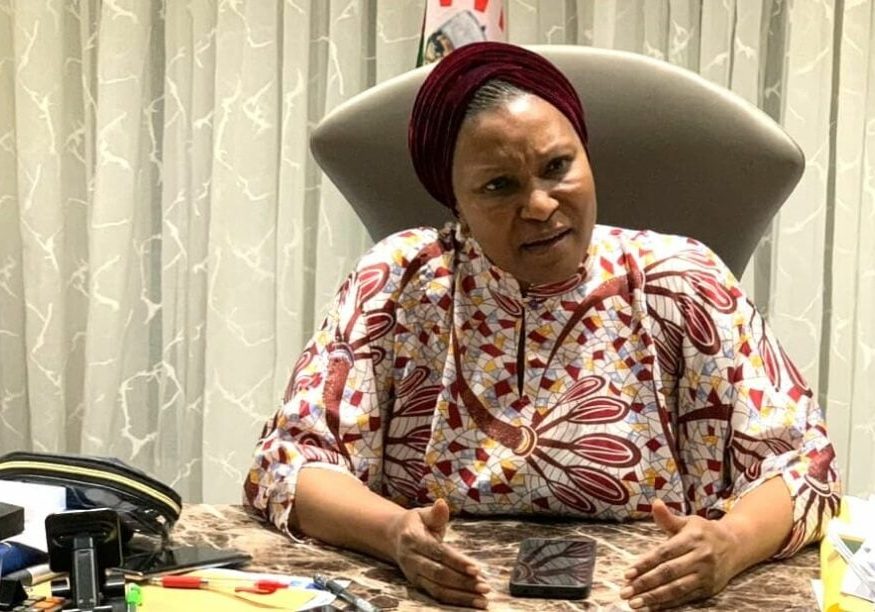
A federal lawmaker from Sokoto State, Abdussamad Dasuki, has resigned from the People’s Democratic Party (PDP) and joined the opposition African Democratic Congress (ADC). The move, formalised in a letter dated March 15, 2026, highlights ongoing instability within Nigeria’s main opposition party.
Dasuki, who represents the Tambuwal/Kebbe Federal Constituency, attributed his departure to a persistent leadership crisis within the PDP. He stated that internal wrangling has critically weakened the party’s capacity to function as a credible and organised opposition, which is essential for strengthening Nigeria’s democratic system. His decision followed extensive consultations with political associates, constituents, and stakeholders who share concerns about the party’s current state and the nation’s political landscape.
In announcing his switch to the ADC, Dasuki expressed a desire to collaborate with like-minded individuals focused on addressing Nigeria’s socio-economic and political challenges. He thanked PDP members for their past support and reaffirmed his commitment to serving his constituents and the nation with dedication and integrity. He also urged his supporters to remain steadfast as he embarks on this new political journey aimed at contributing to national rebuilding and promoting a prosperous, democratic Nigeria.
This defection underscores the deepening fissures within the PDP, which has struggled with national leadership disputes since its electoral defeat in 2023. The party’s inability to present a united front has prompted several politicians to seek alternatives, potentially reshaping the opposition landscape ahead of future elections. Dasuki’s shift to the smaller ADC reflects a trend of disillusioned politicians searching for platforms they believe can offer effective governance and opposition.
The move is a notable development in Sokoto State politics and for the ADC, which seeks to expand its influence. It also raises questions about the PDP’s cohesion and its ability to retain experienced legislators. For Dasuki’s constituents, the change means their representation will now continue under a different party banner, with the lawmaker pledging uninterrupted constituency service.
The broader significance lies in the continued fragmentation of Nigeria’s opposition. As the PDP grapples with internal crises, smaller parties like the ADC may gain prominence, but they face the challenge of building a cohesive national structure to challenge the ruling All Progressives Congress (APC). Dasuki’s defection is a clear indicator of the volatile fluidity within Nigeria’s multi-party system.