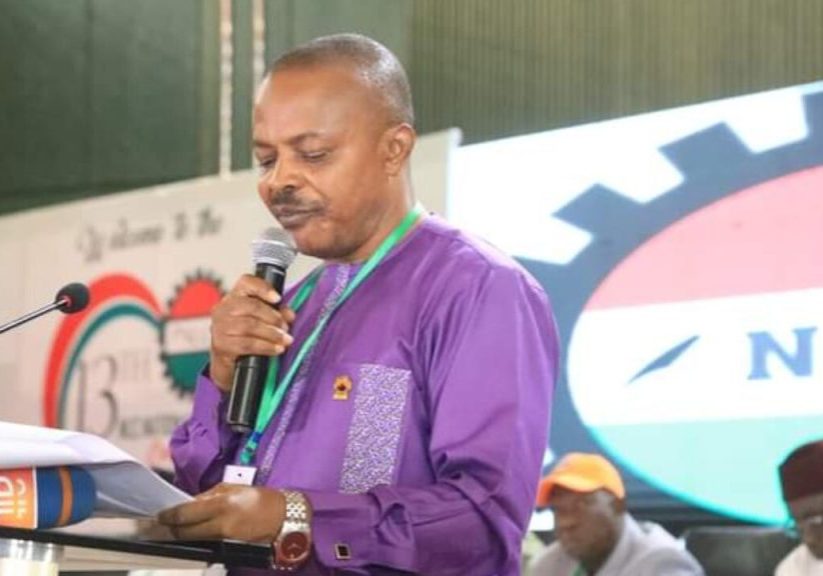
The Nigeria Labour Congress (NLC) has urged the federal government to implement urgent economic relief measures following a sharp increase in domestic petrol prices, which have risen to between N1,170 and N1,300 per litre. In a statement on Thursday, NLC President Joe Ajaero described the surge as exacerbating severe hardship for workers and ordinary citizens, driving up costs for transportation, food, and other essentials.
The labour body’s call centres on immediate government intervention to cushion the impact of what it terms a “fuel price crisis.” Ajaero specifically demanded wage support and targeted cost-of-living relief for vulnerable groups. He highlighted that the unaffordability of transport and soaring commodity prices are pushing basic necessities out of reach for many Nigerians.
Beyond short-term relief, the NLC president stressed the need for long-term structural solutions to prevent recurrence. He pointed to the country’s vulnerability to global oil market fluctuations, attributing this to the underperformance of public refineries. Ajaero advocated for the urgent revitalisation of local refining capacity to stabilise domestic supply and reduce dependence on imported petroleum products, which he said would shield the economy from sudden price shocks.
The statement also called for complementary policy actions. These include tax relief for low-income earners and the expansion of social support programmes. Furthermore, Ajaero insisted on transparency in managing anticipated revenue gains from current high global crude oil prices, arguing that any windfall must be directed toward improving public welfare rather than being misappropriated.
Finally, the NLC leadership appealed for sincere and sustained dialogue between the government and organised labour to collaboratively address the mounting economic challenges. The organisation’s demands underscore the intense pressure on policymakers as fuel costs, a critical输入 for the Nigerian economy, continue to rise amidst broader inflationary trends and global market volatility. The situation has reignited debate over the nation’s energy security framework and the social cost of petroleum product pricing.