Germany is reinforcing its competition oversight to combat alleged price gouging by energy companies, as domestic petrol prices climb faster than the European average amid a global oil surge driven by Middle East hostilities. The Federal Cartel Office will soon gain expanded powers to swiftly investigate and intervene in wholesale price markups, Economy Minister Katherina Reiche announced Tuesday.
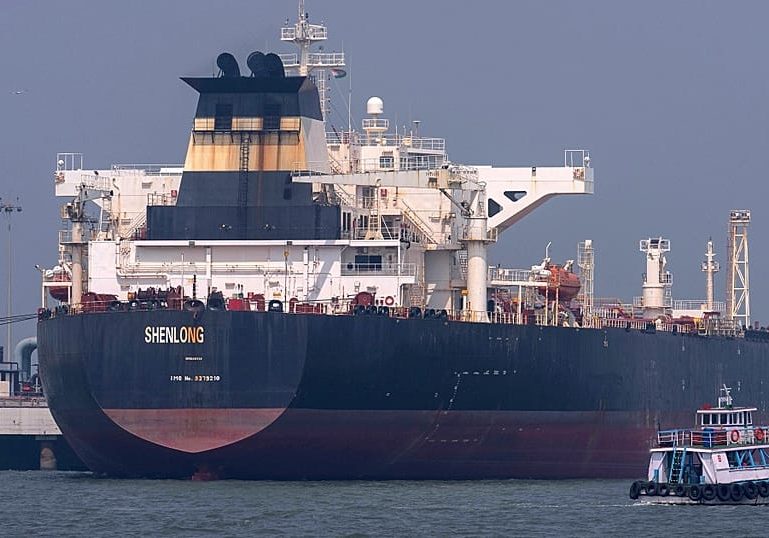
A pivotal shift will see energy firms bear the burden of proof, mandating them to demonstrate the legality of their pricing—unlike current practice where regulators must establish malfeasance. This regulatory tightening comes as global oil prices skyrocket due to the near-total closure of the Strait of Hormuz, a critical maritime chokepoint. The strait, through which about a third of global oil shipments transit, has been effectively shut down amid escalating tensions between the United States, Israel, and Iran, creating a wartime oil shock that has disrupted supply chains.
Reiche underscored that German gas stations have experienced sharper price hikes compared to the rest of Europe, with the oil industry offering inadequate explanations. “We will take action,” she affirmed at a press conference. Complementing these measures, petrol stations will be limited to adjusting prices once per day, a restriction previously floated. The legislative package is anticipated to clear parliament by late March or early April.
In parallel, Germany is contributing to the International Energy Agency’s historic release of 400 million barrels from strategic oil reserves—the largest coordinated effort to temper runaway prices. Additionally, authorities are probing the establishment of a strategic gas reserve for emergencies, targeting operational readiness by next winter to bolster energy security during peak demand seasons.
These steps signal Germany’s aggressive stance to safeguard consumers from speculative pricing during geopolitical crises. By empowering regulators and enhancing reserve capacities, Germany aims to foster fairer energy markets while navigating the volatility stemming from the Middle East conflict, with implications for broader European energy policy and consumer protection frameworks.