The National Automotive Design and Development Council (NADDC) has announced plans to establish a major Automotive Development Park in Nnewi, Anambra State, as a cornerstone of the federal government’s Nigeria First policy to boost local vehicle production and reduce import dependency. The initiative, alongside a new directive for federal civil servants to use locally assembled electric vehicles, signals a coordinated push to revitalise Nigeria’s long-underdeveloped automotive sector.
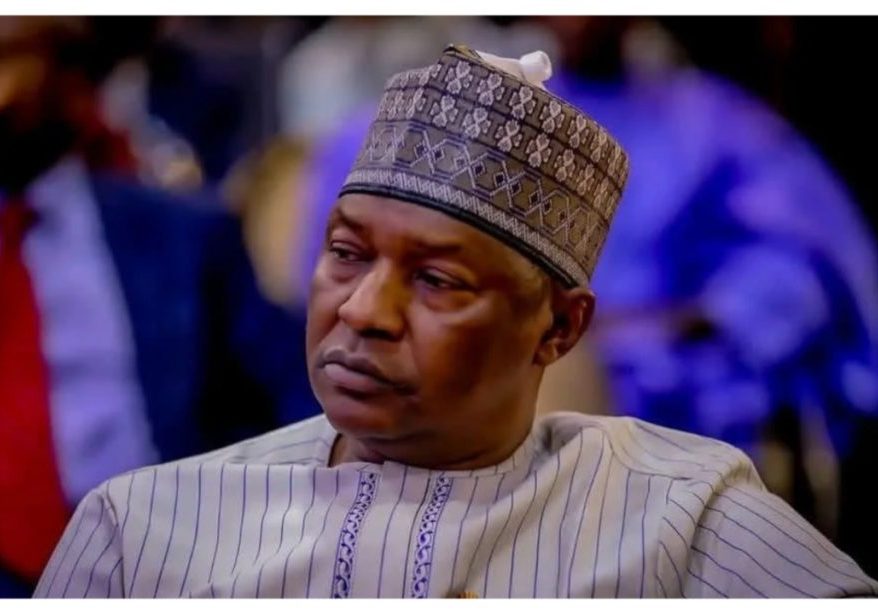
Director-General Oluwemimo Osanipin stated that the Nnewi Automotive Development Park will provide shared infrastructure—such as utilities and logistics—for manufacturers and parts producers. This model aims to lower entry barriers for investors, allowing them to establish operations without incurring the high costs of building standalone facilities. “We have made significant progress, but we need investors to inject more capital to accelerate development,” Osanipin said, calling for private and financial sector collaboration.
The strategy extends to market creation. The federal government has approved the procurement of electric buses for civil servants, with sourcing mandated from local assemblers. Complementary charging stations will be deployed nationally to support adoption, aligning Nigeria with global shifts toward sustainable transport. Osanipin emphasised that patronage of locally assembled vehicles is critical for job creation, skills development, and economic growth.
To address the chronic shortage of domestic auto components, the NADDC is initiating training programmes for local production of tyres and batteries. This capacity-building effort targets a reduction in imports and an improvement in the national GDP. Financially, the council is partnering with the Bank of Industry to disburse funds from the National Automotive Development Fund to qualified industry players.
Legislatively, a new bill is being prepared for the National Assembly to modernise Nigeria’s automotive framework and align it with international standards. Osanipin noted that the Nnewi park is strategically positioned to transform the existing informal cluster—often dubbed the “Japan of Africa”—into an integrated manufacturing hub for assembly, parts, and innovation.
Nigeria’s automotive market has historically relied on imports, with past policy efforts like the National Automotive Industry Development Plan yielding limited results due to infrastructure gaps, financing constraints, and policy inconsistency. The current initiatives seek to overcome fragmentation and high operating costs through coordinated infrastructure and public-private partnership.
Analysts note that sustained policy consistency, investor confidence, and timely infrastructure delivery will determine whether the Nnewi park and accompanying measures can successfully shift Nigeria from an import-dependent market to a domestically driven manufacturing economy. The NADDC’s multi-pronged approach—spanning infrastructure, market incentives, skills training, and legal reform—represents the most comprehensive attempt to date to unlock the sector’s potential.