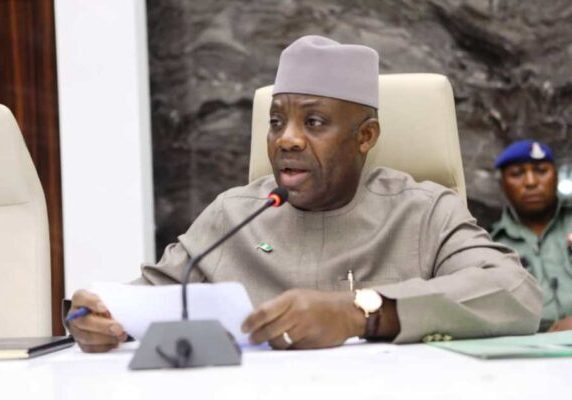
The Minister of the Federal Capital Territory, Nyesom Wike, has stated that unseating President Bola Tinubu in the FCT during the 2027 general election would be “extremely difficult” for any opposition candidate. Wike linked this projected electoral strength to the current administration’s significant infrastructure investments across Abuja and its satellite communities.
This assessment follows the 2023 presidential election results, where the FCT voted for Peter Obi of the Labour Party. Obi secured 281,717 votes in the territory, while President Tinubu of the All Progressives Congress (APC) received 90,902, and Atiku Abubakar of the Peoples Democratic Party (PDP) polled 74,199.
Minister Wike explained that a key strategy has been to expand development beyond the city centre to outlying satellite towns. He said directives were issued to avoid excessive concentration on the central city, ensuring projects reach integral parts of the FCT. “These areas are integral parts of Abuja, and their residents deserve improved living standards,” Wike noted after inspecting ongoing projects on Tuesday.
He cited tangible improvements, such as reduced commute times from satellite towns like Kuje to the city centre, now approximately 25 minutes. “With these improvements, economic activities will grow, and the quality of life will get better,” he stated, adding that resident satisfaction from such developments is likely to positively influence voter sentiment.
The minister’s comments frame the FCT’s 2027 electoral dynamics as intrinsically tied to the perceived success of the Tinubu administration’s local governance and infrastructure drive. While the territory backed the opposition in 2023, the government’s focused developmental agenda in satellite areas is positioned as a decisive factor that could reshape the FCT’s presidential vote in the next election cycle.