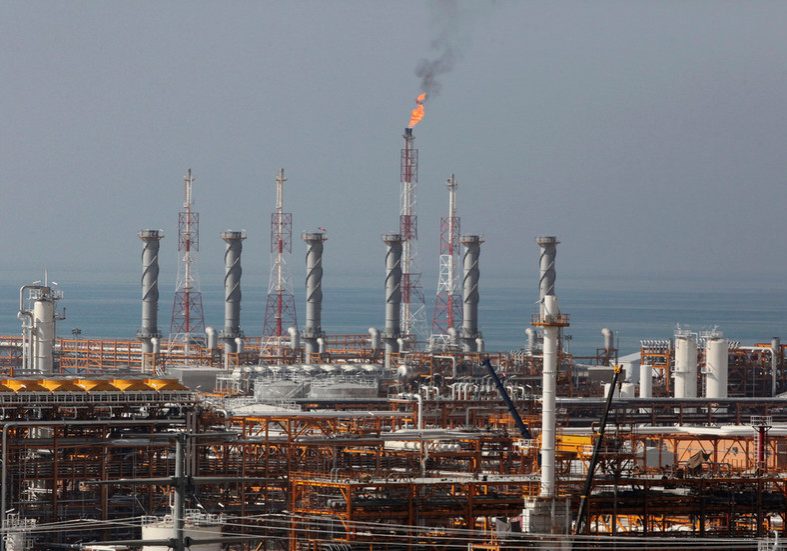
Iran has threatened to target energy infrastructure across the Gulf following reported strikes on its South Pars gas field, an attack that has drawn sharp condemnation from Qatar and raised alarms about regional energy security.
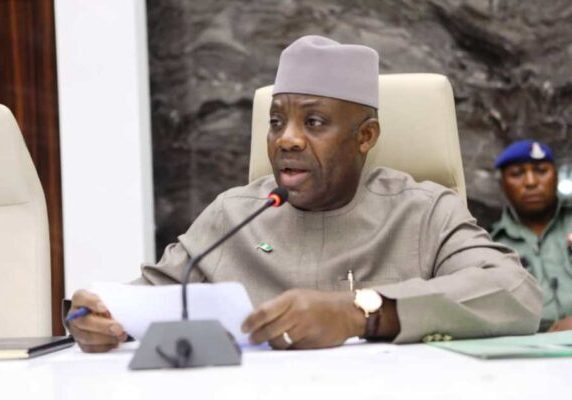
According to media reports citing U.S. officials, Israeli forces carried out strikes on Wednesday against facilities on the Iranian side of the South Pars field, which is jointly developed with Qatar. Qatar’s Foreign Ministry described the attack as a “dangerous and irresponsible step” that constitutes “a threat to global energy security.” The ministry spokesman, Majed al-Ansari, emphasized that the field is an extension of Qatar’s own North Field—the world’s largest natural gas reservoir—and called on all parties to avoid targeting vital infrastructure.
Qatar relies on the North Field for nearly all its gas production, with oil and gas revenues forming about 80% of the national income. The field holds an estimated 1,800 trillion cubic feet of gas, a reserve comparable to all other known gas fields combined.
Iran’s military responded with a statement warning that any attack on its fuel, energy, or gas infrastructure would be met with a “powerful counterattack” and strikes against the “origin of that aggression.” It framed such actions as legitimate retaliation.
In the hours following the reported strike on South Pars, explosions were reported in Riyadh, Saudi Arabia. Separately, QatarEnergy reported missile hits on its Ras Laffan liquefied natural gas (LNG) export hub, describing “significant damage.” Qatar’s civil defense agency attributed that attack to Iran.
The incidents mark a significant escalation in the region’s ongoing tensions, directly involving critical energy assets that supply global markets. The South Pars/North Field complex is central to Qatar’s economy and a key source of global gas supply. Damage to processing or export facilities could disrupt flows and heighten energy market volatility.
As of now, Israel has not publicly claimed responsibility for the initial strike, while the United States has not commented on the reported coordination. The situation remains fluid, with both Iran and Qatar characterizing the attacks as threats to regional stability and worldwide energy security.