Nigerian Artist Mr Real Questions Industry’s Silence on National Insecurity
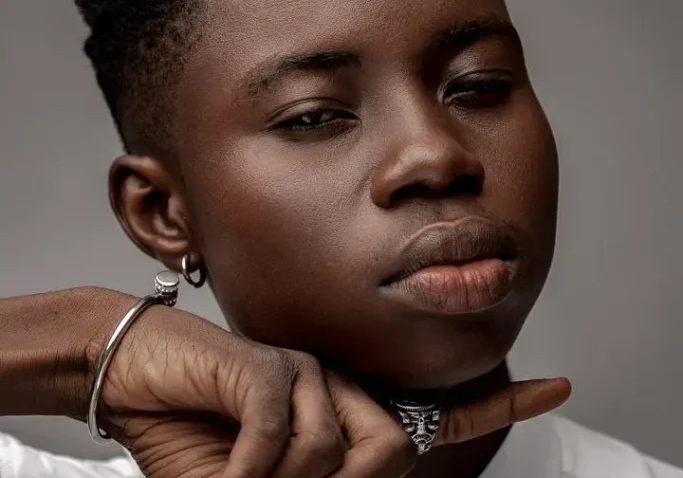
LAGOS—Prominent Afrobeats artist Mr Real has publicly challenged his colleagues and Nigerian music audiences over their continued celebration and nightlife activities amidst the country’s deepening security crises.
In a video statement circulated recently, the singer behind the hit “Legbegbe” expressed a personal and professional paralysis caused by the nation’s climate. He stated that the prevalence of violent incidents has made him hesitant to release new music, questioning the mindset of artists who continue to do so unencumbered.
“I wake up to terrible news every day,” Mr Real said. “I am even scared to drop songs because of the terrible things happening in Nigeria. Artists who are releasing songs are trying because I don’t know the kind of mind they have.”
He broadened his critique to include fans and the wider social scene, suggesting a collective numbness. “This country is burning. People are dying… and we still go to club. That is the problem. It is like we are under a spell to be docile no matter how worse things get. Is it normal?”
Mr Real acknowledged the tension between personal life and public duty, conceding he too enjoys leisure. However, he framed the persistent party culture as a dissonant response to widespread trauma, including incidents of kidnapping, banditry, and communal violence that have heightened national anxiety.
His comments highlight a growing internal debate within Nigeria’s vibrant entertainment sector about the role of artists in times of socio-political turmoil. The Afrobeats industry has seen monumental global success, yet its domestic landscape is often juxtaposed with persistent security challenges and economic hardship.
While many artists use their platforms for social commentary, Mr Real’s stance is a stark reversal, choosing silence as his form of protest. His perspective contrasts with the industry’s typical output of celebratory music, which remains popular both locally and internationally.
The significance of his critique lies in its spotlight on the psychological impact of insecurity on cultural production. It raises questions about whether moments of national crisis should alter the creative and消费 rhythms of the entertainment world. Whether this view resonates across the industry or remains an isolated position may influence future public discourse on art, responsibility, and resilience in Nigeria.