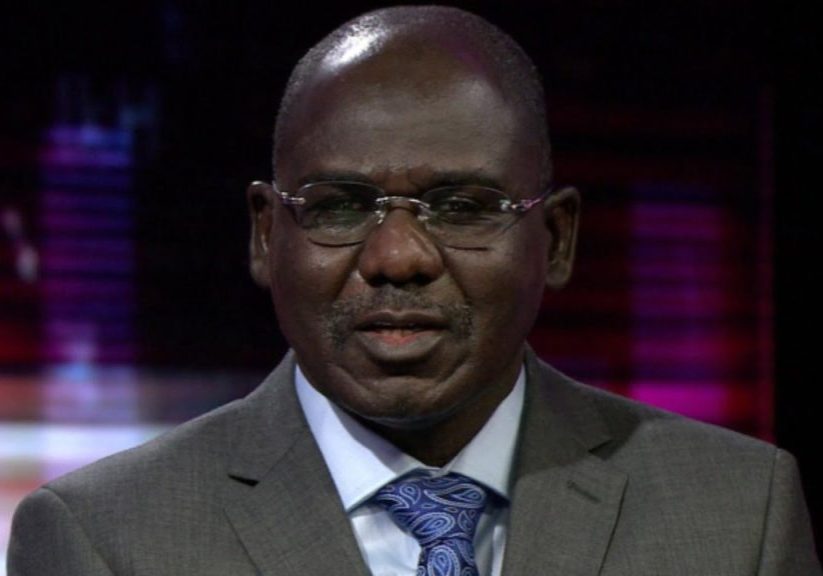
Nigeria’s Minister of Information and National Orientation, Mohammed Idris, has stated that the nation’s inflation rate has been reduced by half since 2023, citing this as an early indicator of success for the government’s economic reform agenda.
Speaking at a World Press Conference in London on Sunday, Idris framed the development ahead of President Bola Tinubu’s upcoming state visit to the United Kingdom. He specified that inflation fell to 15.06 percent in February 2026, down from 21.91 percent in the same month of 2023, according to National Bureau of Statistics data.
The minister attributed this decline to key policies implemented since 2023, notably the removal of the petrol subsidy and the unification of Nigeria’s multiple foreign exchange rates. He also highlighted several presidential executive orders targeting the oil and gas sector. Idris asserted that these measures have positioned Nigeria as Africa’s most attractive destination for oil and gas investments for two consecutive years.
Beyond inflation, Idris pointed to a expanding trade surplus and fifteen consecutive months of growth in the Central Bank’s Purchasing Managers’ Index, which he said reflects renewed momentum in manufacturing and services. He noted that uninterrupted democratic governance since 1999 has bolstered international confidence in Africa’s most populous nation. The government is also reportedly advancing infrastructure development and intensifying efforts to address insecurity.
Reiterating Nigeria’s openness to foreign investment, Idris emphasized that government policies promote regulatory transparency, tax incentives, and the full repatriation of profits for responsible investors. He stressed the deep value Nigeria places on its partnership with the UK, expressing optimism for strengthened collaboration.
President Tinubu’s state visit, scheduled to commence on Tuesday following an invitation from King Charles III, is presented as a manifestation of this outward-looking economic diplomacy. The minister’s remarks aim to underscore a narrative of stabilising macroeconomic fundamentals and improving the investment climate, seeking to attract further international capital and partnership as the administration pushes forward with its reform programme.