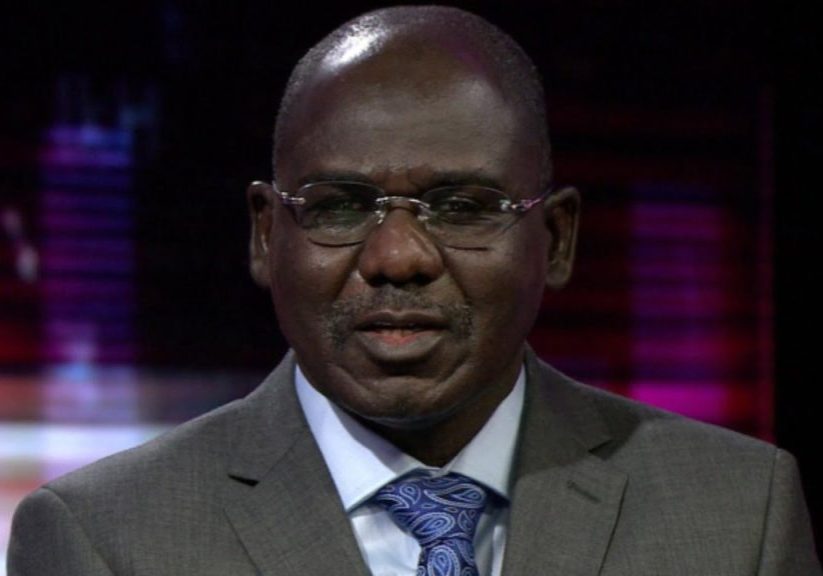
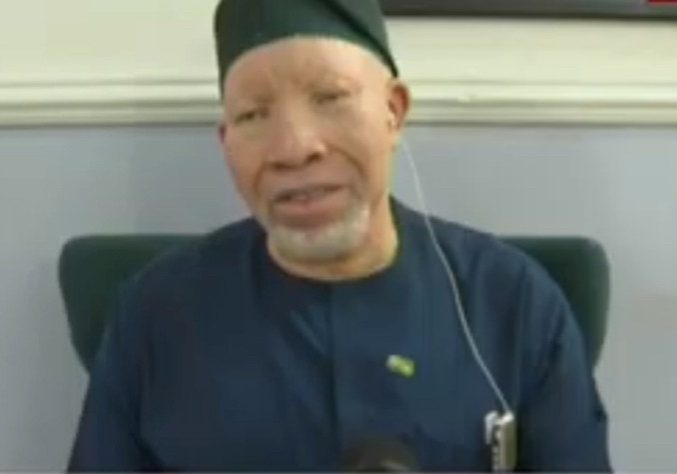
An influential member of Nigeria’s ruling All Progressives Congress (APC), Prince Emmanuel Odigie, has issued a clarification regarding previous comments about Edo State Governor, Senator Monday Okpebholo. Odigie stated that he never alleged the governor did not attend school, but specifically referenced his purported failure in a 2008 West African Examinations Council (WAEC) exam.
Speaking on Arise Television’s Morning Show, Odigie emphasized the distinction. “I never said Okpebholo didn’t go to school. I said he couldn’t pass WAEC in 2008, even at a miracle centre. That’s what I said,” he noted, challenging critics to review the original broadcast. He described a “miracle centre” as a term for an exam venue alleged to facilitate cheating.
The clarification comes against the backdrop of the 2024 Edo State gubernatorial election, which resulted in Okpebholo’s victory. Odigie, who framed himself as a “fearless man who speaks truth to power,” acknowledged the election’s conclusion, stating, “Senator Monday Okpebholo is the Governor of Edo state today.”
He further indicated a desire to move beyond election-era disputes. “I do not believe in going back. I believe I’m a futuristic person. I work for today and tomorrow. Election has been won and lost,” Odigie said. He noted that the defeated PDP candidate, Asue Ighodalo, has returned to private business, underscoring a collective shift in focus.
The episode highlights persistent questions around the educational credentials of public officials in Nigeria, a recurring topic in the nation’s political discourse. Odigie’s insistence on specifying the WAEC allegation, while denying a broader claim about schooling, narrows the scope of the contention. His subsequent call to look forward reflects a common narrative among political actors following a contested election, aiming to foster an atmosphere of reconciliation and governance.
The interaction suggests that while the electoral contest may be settled, debates over candidate qualifications can continue to surface, potentially influencing public perception and political discourse in the state. Odigie’s remarks signal an effort to recalibrate the conversation from personal history to future state development under the new administration.