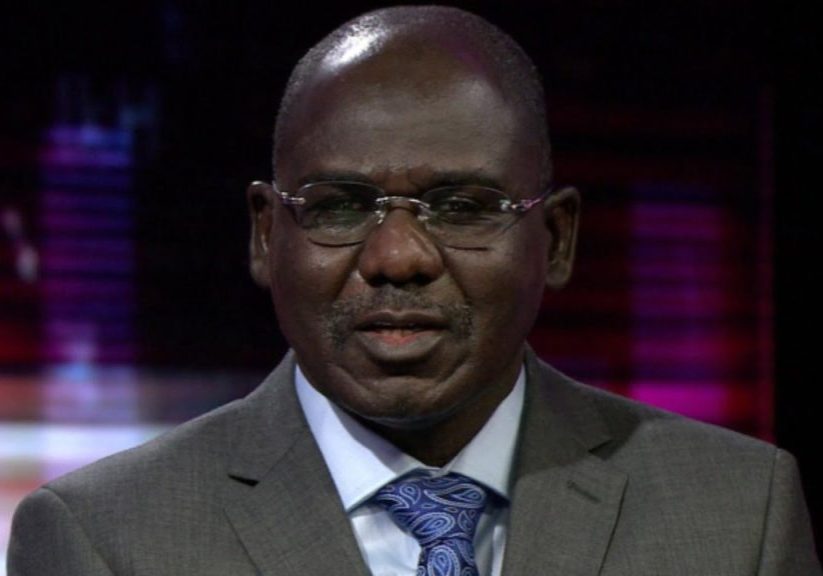
Retired Nigerian military chief Lt-Gen. Tukur Buratai has stated that individuals who finance terrorist activities remain free within Nigerian society, despite their identities being known to authorities. He emphasized that naming these financiers is insufficient without consequent legal action.
Buratai, who served as Chief of Army Staff until 2021, made the comments during a live interview on Channels Television’s ‘Politics Today’ programme on Friday. He argued against an over-reliance on military solutions to insecurity, noting that responsibility for countering terrorism extends across all sectors of society. “You cannot say I should be responsible for naming the financiers of terror… It’s not just about mentioning names. Action should be taken,” he said.
Specifically, Buratai pointed to individuals connected to the Boko Haram insurgency who have been arrested but not prosecuted. “These individuals are still within society today, and they are known. Even those who have been arrested in connection with Boko Haram are still not being prosecuted,” he stated, highlighting a persistent gap between arrests and judicial outcomes.
His remarks come as Nigeria continues to grapple with a prolonged Islamist insurgency, primarily in the northeast. Boko Haram, and its splinter faction Islamic State West Africa Province (ISWAP), have conducted a campaign of violence for over a decade, resulting in thousands of deaths and displacing millions. While military operations have reclaimed significant territory from armed groups, attacks on civilian and military targets persist.
International partners, including the Financial Action Task Force (FATF), have previously urged Nigeria to strengthen its legal and institutional frameworks to combat terrorism financing. Nigeria was on the FATF’s “grey list” of jurisdictions under increased monitoring until 2023, partly due to weaknesses in prosecuting financial crimes linked to extremism. Observers note that disrupting the financial networks that sustain terrorist operations is considered critical for achieving lasting stability.
Buratai’s intervention underscores ongoing debates about the comprehensive approach required to defeat asymmetric threats. His assertion that known financiers remain at large points to potential systemic inefficiencies within Nigeria’s criminal justice system. The failure to move from arrest to prosecution can erode public trust and potentially enable the regeneration of terrorist networks.
The former chief’s call for action aligns with repeated advice from security analysts that a multi-pronged strategy—combining military pressure, financial disruption, and robust legal processes—is essential. Without effective prosecution of financiers, the economic lifelines of extremist groups may continue to flow, undermining broader counterterrorism objectives and prolonging the crisis in the Lake Chad region.